
How to Pronounce
Prophesy (verb)PRAH-feh-sai
Hear the pronunciation of Prophesy (verb)
Click to play audio
New Testament Reading
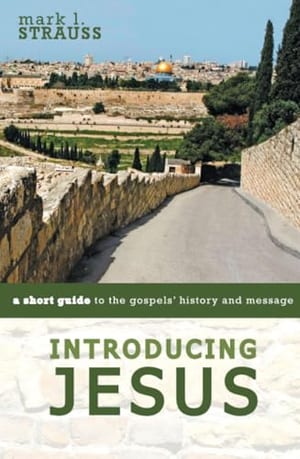
Introducing Jesus
Mark L. Strauss
View on Amazon →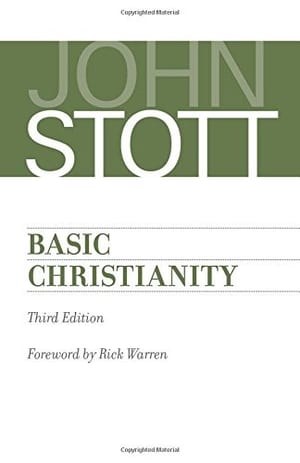
Basic Christianity
John Stott
View on Amazon →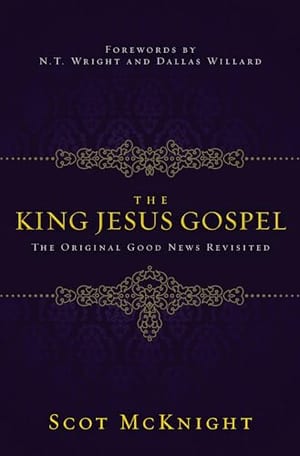
The King Jesus Gospel
Scot McKnight
View on Amazon →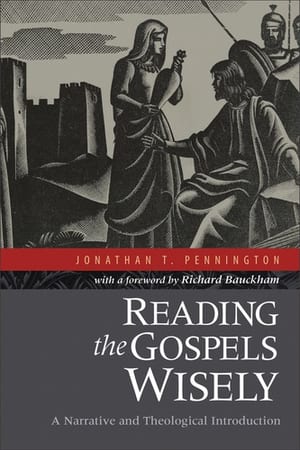
Reading the Gospels Wisely
Jonathan T. Pennington
View on Amazon →
The Jesus I Never Knew
Philip Yancey
View on Amazon →As an Amazon Associate we earn from qualifying purchases.
Pronunciation Video
Watch on YouTube →Meaning
The word prophesy comes from the Greek verb prophēteúō (προφητεύω), which literally means "to speak forth" or "to declare beforehand." The prefix pro- means "before" or "forth," while phēmí means "to speak." Understanding how to pronounce Prophesy (verb)—PRAH-feh-sai—helps Bible readers recognize this action word when studying Scripture.
Historical Context
Prophesy (Verb): Pronunciation and Biblical Meaning
The word prophesy comes from the Greek verb prophēteúō (προφητεύω), which literally means "to speak forth" or "to declare beforehand." The prefix pro- means "before" or "forth," while phēmí means "to speak." Understanding how to pronounce Prophesy (verb)—PRAH-feh-sai—helps Bible readers recognize this action word when studying Scripture.
The Core Meaning
To prophesy is not merely to predict the future, though that's often how we think of prophecy. In biblical terms, prophesying means to speak God's message under divine inspiration. It could involve foretelling, but more fundamentally, it meant declaring God's will, warning, comfort, or judgment to God's people. When someone engaged in prophesying, they were functioning as God's spokesperson.
Where Prophesy Appears in Scripture
The verb appears throughout the New Testament, particularly in Paul's letters. In 1 Corinthians 12:10, Paul lists prophesying as one of the spiritual gifts. He emphasizes it again in 1 Corinthians 14:1-5, where he encourages believers to "eagerly desire gifts of the Spirit, especially prophecy." The Old Testament uses similar language with the Hebrew verb nābāʾ, which carries the same essential meaning of speaking God's word.
Jesus Himself referenced prophesying in Matthew 7:22, where some claimed to have prophesied in His name. Peter speaks of Old Testament prophets who "prophesied of the grace that was to come" in 1 Peter 1:10.
Why This Matters for Bible Readers
Pronouncing Prophesy (verb) correctly helps you navigate passages about spiritual gifts and ministry. Understanding that prophesying means speaking forth God's message—not simply fortune-telling—transforms how you read biblical narratives and epistles. When you encounter this word, you're looking at divinely-inspired speech, whether it's warning, encouragement, or revelation. This distinction is crucial for understanding early church practice and how believers exercised their faith.
How to Read, Study & Pray

How to Read the Bible for All Its Worth
Gordon Fee & Douglas Stuart
View on Amazon →
Grasping God's Word
J. Scott Duvall & J. Daniel Hays
View on Amazon →
A Praying Life
Paul E. Miller
View on Amazon →
Women of the Word
Jen Wilkin
View on Amazon →
The Bible Recap
Tara-Leigh Cobble
View on Amazon →As an Amazon Associate we earn from qualifying purchases.
