How to Pronounce
ParacletePEHR-uh-kleet
Hear the pronunciation of Paraclete
Click to play audio
New Testament Reading
Introducing Jesus
Mark L. Strauss
View on Amazon →
Basic Christianity
John Stott
View on Amazon →
The King Jesus Gospel
Scot McKnight
View on Amazon →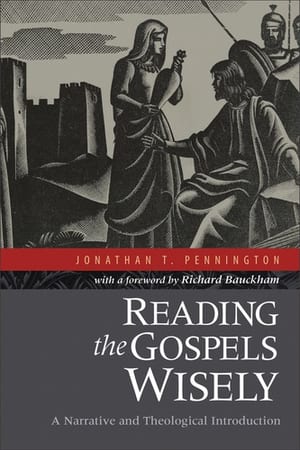
Reading the Gospels Wisely
Jonathan T. Pennington
View on Amazon →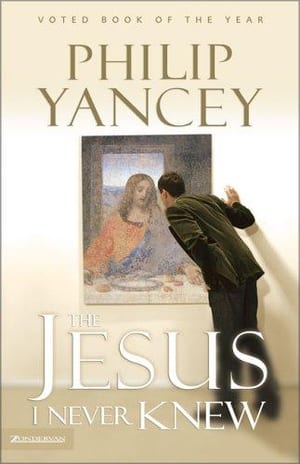
The Jesus I Never Knew
Philip Yancey
View on Amazon →As an Amazon Associate we earn from qualifying purchases.
Pronunciation Video
Watch on YouTube →Historical Context
Paraclete: The Helper Who Stands Beside You
The word Paraclete comes directly from Greek—parakletos (παράκλητος)—and carries one of the richest meanings in New Testament theology. Breaking down the Greek, para means "beside" or "alongside," while kletos derives from the verb "to call." Literally, a paraclete is someone called to stand beside you, making "helper," "advocate," or "comforter" the most common English translations.
Where Paraclete Appears in Scripture
The term appears five times in the New Testament, all in John's Gospel. Jesus uses it in John 14:16, 14:26, 15:26, and 16:7 to describe the Holy Spirit. The only other occurrence is 1 John 2:1, where John applies it to Jesus himself as our advocate before God the Father. This concentrated usage in John makes pronouncing Paraclete correctly especially important for anyone teaching or preaching through that Gospel.
Understanding the Full Meaning
When learning how to pronounce Paraclete (PEHR-uh-kleet), it helps to understand why this word was chosen. Jesus promised his disciples that after his ascension, God would send the Paraclete—a divine presence who would teach them, remind them of Jesus's words, convict the world of sin, and guide them into truth. The term combines legal, relational, and comforting dimensions simultaneously.
In Jewish legal culture, a paraclete could be a legal advocate or witness. In broader usage, it meant a comforter or counselor. By selecting this word, John emphasized that the Holy Spirit isn't a distant, impersonal force but an active, present advocate working on behalf of believers.
Why Pronouncing Paraclete Correctly Matters
Paraclete pronunciation can trip up even experienced Bible readers. Getting it right—PEHR-uh-kleet—helps you engage confidently with these pivotal passages. When you understand that the Paraclete stands beside us as helper and advocate, John's theology of the Spirit becomes clearer and more personal. This isn't abstract doctrine; it's Jesus's promise of intimate divine presence in your life.
How to Read, Study & Pray
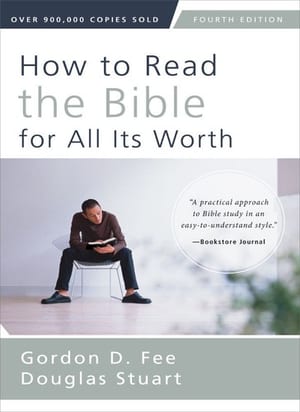
How to Read the Bible for All Its Worth
Gordon Fee & Douglas Stuart
View on Amazon →
Grasping God's Word
J. Scott Duvall & J. Daniel Hays
View on Amazon →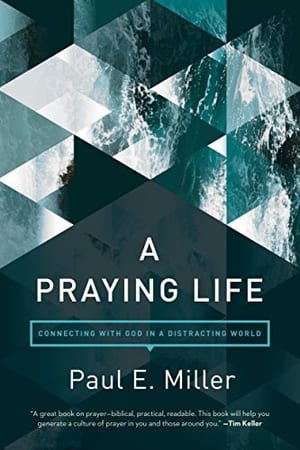
A Praying Life
Paul E. Miller
View on Amazon →
Women of the Word
Jen Wilkin
View on Amazon →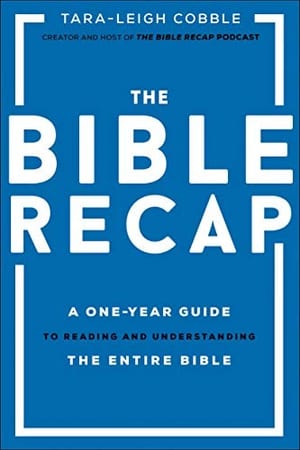
The Bible Recap
Tara-Leigh Cobble
View on Amazon →As an Amazon Associate we earn from qualifying purchases.