How to Pronounce
PaphosPAY-fuhs
Hear the pronunciation of Paphos
Click to play audio
New Testament Reading

Introducing Jesus
Mark L. Strauss
View on Amazon →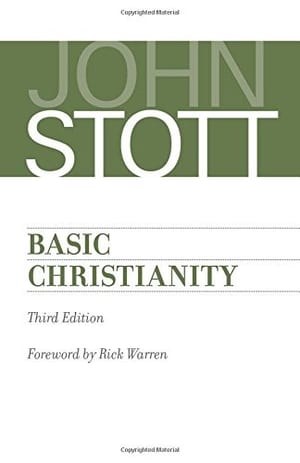
Basic Christianity
John Stott
View on Amazon →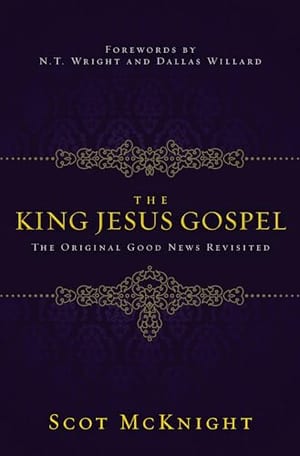
The King Jesus Gospel
Scot McKnight
View on Amazon →
Reading the Gospels Wisely
Jonathan T. Pennington
View on Amazon →
The Jesus I Never Knew
Philip Yancey
View on Amazon →As an Amazon Associate we earn from qualifying purchases.
Pronunciation Video
Watch on YouTube →Meaning
which boils, or is very hot
Historical Context
Paphos: An Ancient Cyprus Port City
Paphos appears in the New Testament as a significant coastal city on the island of Cyprus, and understanding its name enriches our reading of Scripture. The name derives from Greek origins and carries the meaning "which boils" or "is very hot"—likely a reference to the warm springs found in the region or the intense Mediterranean heat characteristic of that location.
Biblical Significance and Scripture References
The city of Paphos appears most notably in Acts 13:6-12, where the apostle Paul and Barnabas encounter a Jewish sorcerer named Bar-Jesus during their first missionary journey. This encounter is pivotal: Paul rebukes the sorcerer for opposing the gospel, and the man is struck with blindness. The Roman proconsul Sergius Paulus, who witnesses this miracle, believes in the Lord. This account demonstrates early Christian missionary work in Cyprus and the supernatural confirmation of apostolic authority.
How to Pronounce Paphos Correctly
For those learning to pronounce Paphos correctly, the proper pronunciation is PAY-fuhs. The first syllable rhymes with "say" or "day," while the second syllable sounds like "fuss." Getting the Paphos pronunciation right helps readers engage more confidently when studying Acts and discussing early Christian history.
Geographic and Cultural Context
Located on the southwestern coast of Cyprus, Paphos was a major Roman administrative center during the first century. It served as the capital of the island under Roman rule, making it a strategic location for early Christian evangelism. The city's prominence in the Mediterranean trade network meant it was well-positioned to receive apostolic missionaries spreading the gospel.
When pronouncing Paphos in Bible study or teaching contexts, remember that this wasn't simply a random location—it was a deliberate stop on Paul's missionary itinerary, chosen because of its influence and accessibility. The warm climate suggested by its etymological meaning contrasts beautifully with the spiritual "heat" of gospel proclamation that occurred there, reminding us that God works through geography and circumstance to advance His kingdom.
How to Read, Study & Pray

How to Read the Bible for All Its Worth
Gordon Fee & Douglas Stuart
View on Amazon →
Grasping God's Word
J. Scott Duvall & J. Daniel Hays
View on Amazon →
A Praying Life
Paul E. Miller
View on Amazon →
Women of the Word
Jen Wilkin
View on Amazon →
The Bible Recap
Tara-Leigh Cobble
View on Amazon →As an Amazon Associate we earn from qualifying purchases.