
How to Pronounce
Papyruspuh-PAI-ruhs
Hear the pronunciation of Papyrus
Click to play audio
New Testament Reading
Introducing Jesus
Mark L. Strauss
View on Amazon →
Basic Christianity
John Stott
View on Amazon →
The King Jesus Gospel
Scot McKnight
View on Amazon →
Reading the Gospels Wisely
Jonathan T. Pennington
View on Amazon →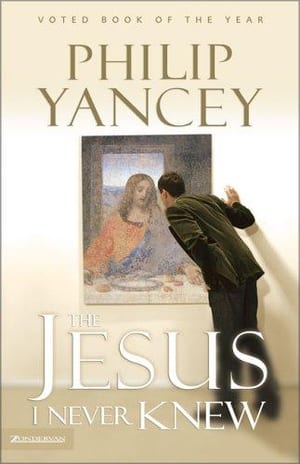
The Jesus I Never Knew
Philip Yancey
View on Amazon →As an Amazon Associate we earn from qualifying purchases.
Pronunciation Video
Watch on YouTube →Historical Context
Papyrus: Ancient Writing Material of Scripture
When you're reading through Paul's epistles or studying ancient biblical manuscripts, you'll eventually encounter references to papyrus—the remarkable plant-based writing material that preserved God's Word for centuries. Knowing how to pronounce papyrus correctly (puh-PAI-ruhs) matters more than you might think, especially when discussing manuscript history with other Bible students or in academic settings.
Etymology and Original Meaning
The word papyrus comes from the Greek papyros, which referred to the tall reed plant that grew abundantly along the Nile River in Egypt. The Greeks borrowed this term, likely from an Egyptian or Semitic source, and it eventually entered Latin and modern European languages. The plant itself, Cyperus papyrus, was processed into thin sheets by pressing together layers of the plant's pith—creating a durable surface perfect for writing.
Why Papyrus Matters for Bible Readers
Pronouncing papyrus correctly opens doors to understanding biblical manuscript transmission. Many of the oldest New Testament fragments we possess—including portions of the Gospels and Paul's letters—were written on papyrus. The famous Chester Beatty Papyri and the Oxyrhynchus Papyri collections contain some of our earliest biblical texts, dating to the second and third centuries.
When scholars discuss the reliability of Scripture, they're often referencing papyrus documents. These ancient manuscripts provide crucial evidence for textual criticism and help us understand how carefully early Christians preserved the apostolic writings.
Papyrus in Scripture
While papyrus isn't extensively mentioned by name in most English Bible translations, it's implicit throughout the New Testament. Every letter Paul wrote, every Gospel originally penned, and countless early Christian documents were likely recorded on papyrus sheets. The material was affordable enough for widespread use yet durable enough to survive millennia in Egypt's dry climate.
Understanding the history and pronunciation of papyrus enriches your appreciation for how God's Word reached us. The next time you're reading a passage and considering its original context, remember: that text likely traveled to you across centuries, preserved on sheets of humble reed.
How to Read, Study & Pray

How to Read the Bible for All Its Worth
Gordon Fee & Douglas Stuart
View on Amazon →
Grasping God's Word
J. Scott Duvall & J. Daniel Hays
View on Amazon →
A Praying Life
Paul E. Miller
View on Amazon →
Women of the Word
Jen Wilkin
View on Amazon →
The Bible Recap
Tara-Leigh Cobble
View on Amazon →As an Amazon Associate we earn from qualifying purchases.
