How to Pronounce
PresbyterPREHZ-bih-ter
Hear the pronunciation of Presbyter
Click to play audio
New Testament Reading
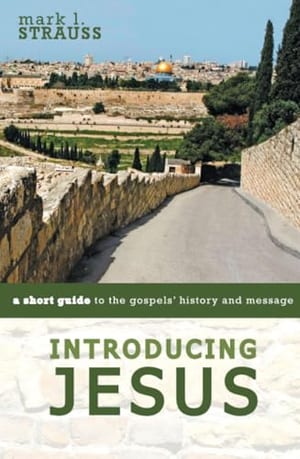
Introducing Jesus
Mark L. Strauss
View on Amazon →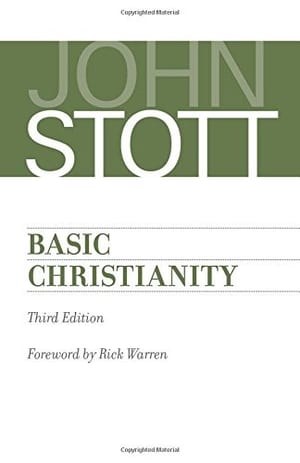
Basic Christianity
John Stott
View on Amazon →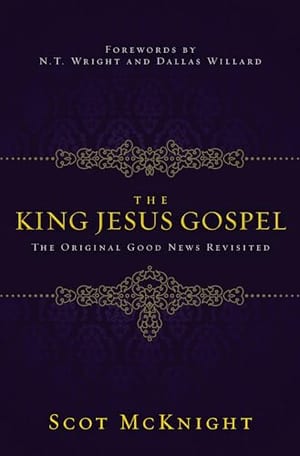
The King Jesus Gospel
Scot McKnight
View on Amazon →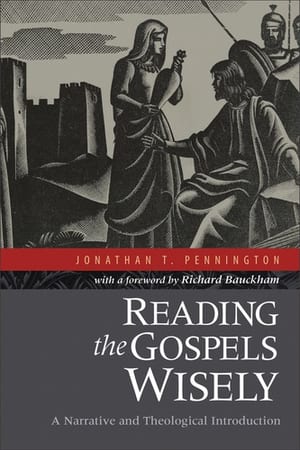
Reading the Gospels Wisely
Jonathan T. Pennington
View on Amazon →
The Jesus I Never Knew
Philip Yancey
View on Amazon →As an Amazon Associate we earn from qualifying purchases.
Pronunciation Video
Watch on YouTube →Historical Context
Presbyter: Understanding an Ancient Leadership Title
The word presbyter comes directly from the Greek presbyteros (πρεσβύτερος), meaning "elder" or "older man." In its most literal sense, the term simply denoted someone of advanced age and, by extension, someone worthy of respect and authority. Understanding how to pronounce presbyter correctly—PREHZ-bih-ter—helps unlock an important office in early Christian leadership.
Biblical Roots and Development
The concept of elders as leaders appears throughout Scripture, but the Greek term presbyteros carries particular weight in New Testament ecclesiology. In early Christian communities, presbyters were appointed leaders responsible for teaching, prayer, and pastoral care. The apostles themselves used this title to describe church officers, distinguishing these roles from overseers (episkopos) and deacons, though the boundaries sometimes overlapped.
Where Presbyter Appears in Scripture
Pronouncing presbyter correctly becomes essential when reading passages like 1 Peter 5:1–4, where Peter addresses "the elders among you," or Titus 1:5–7, where Paul instructs Titus to appoint elders in every city. The term also appears in 1 Timothy 4:14 and James 5:14, showing the presbyter's role in blessing, healing, and spiritual oversight. Acts repeatedly mentions presbyters in connection with the Jerusalem council and various churches.
Why This Matters for Bible Study
Grasping the presbyter pronunciation and meaning reveals how early churches organized themselves. Unlike modern hierarchies, presbyters functioned as a collegial body of mature believers, not solitary leaders. This structure influenced church governance for centuries and continues in Presbyterian denominations today.
When you encounter presbyter or elder in your Bible reading, you're seeing a foundational leadership model—one based on wisdom, spiritual maturity, and communal responsibility. Pronouncing presbyter with confidence helps you communicate clearly about biblical church leadership with pastors, teachers, and fellow students.
How to Read, Study & Pray

How to Read the Bible for All Its Worth
Gordon Fee & Douglas Stuart
View on Amazon →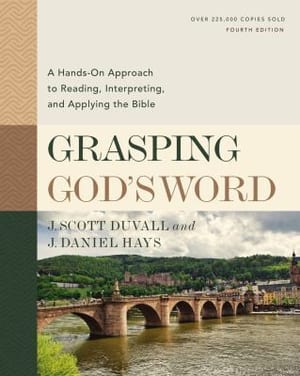
Grasping God's Word
J. Scott Duvall & J. Daniel Hays
View on Amazon →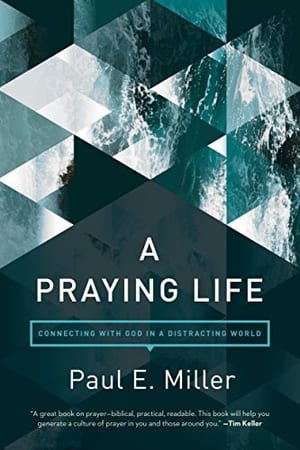
A Praying Life
Paul E. Miller
View on Amazon →
Women of the Word
Jen Wilkin
View on Amazon →
The Bible Recap
Tara-Leigh Cobble
View on Amazon →As an Amazon Associate we earn from qualifying purchases.