How to Pronounce
PontianPAHN-shuhn
Hear the pronunciation of Pontian
Click to play audio
New Testament Reading

Introducing Jesus
Mark L. Strauss
View on Amazon →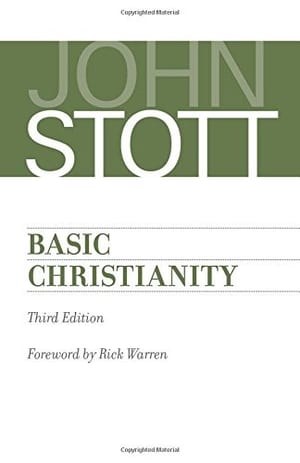
Basic Christianity
John Stott
View on Amazon →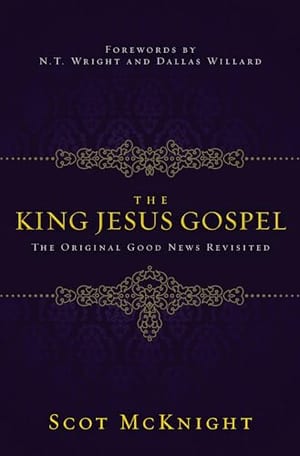
The King Jesus Gospel
Scot McKnight
View on Amazon →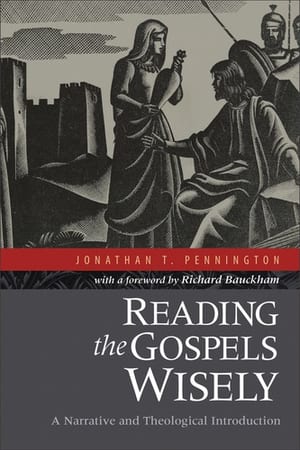
Reading the Gospels Wisely
Jonathan T. Pennington
View on Amazon →
The Jesus I Never Knew
Philip Yancey
View on Amazon →As an Amazon Associate we earn from qualifying purchases.
Pronunciation Video
Watch on YouTube →Historical Context
Pontian: A Martyr's Name in Early Christian History
The name Pontian (pronounced PAHN-shuhn) appears in the New Testament and early Christian tradition as a figure of significant spiritual importance. Understanding how to pronounce Pontian correctly helps Bible readers and church leaders engage more authentically with this historical record.
Etymology and Origin
Pontian derives from the Latin Pontianus, which itself connects to Pontus—a reference to the Black Sea region of Asia Minor. The name literally means "of or from Pontus." This geographical designation was common in the Roman world, where names often indicated a person's origin or family connection to a particular province.
Biblical and Historical Significance
Pope Pontian (c. 175–235 AD) is the most historically significant bearer of this name in Christian tradition. He appears in early church records and historical documents, though not directly named in Scripture itself. Pontian served as Bishop of Rome during a period of intense persecution under Emperor Maximinus Thrax. His imprisonment in the mines of Sardinia and subsequent martyrdom made him a revered figure in early Christian communities.
The historical importance of pronouncing Pontian correctly becomes clear when studying patristic writings and early church documents, where his name appears frequently in accounts of Christian martyrdom and ecclesiastical history.
Why This Matters for Bible Students
While Pontian may not appear in most Bible translations, understanding this name enriches knowledge of the post-apostolic period and the development of early church leadership. Bible scholars and pastors benefit from accurate Pontian pronunciation when discussing the historical context surrounding the formation of the New Testament canon and early Christian persecution.
The correct pronunciation—PAHN-shuhn—follows the Latinized form that appears in scholarly and ecclesiastical sources. For anyone studying church history, biblical archaeology, or the lives of the early church fathers, mastering the correct way to say Pontian demonstrates respect for historical precision and deepens engagement with Christian heritage.
How to Read, Study & Pray

How to Read the Bible for All Its Worth
Gordon Fee & Douglas Stuart
View on Amazon →
Grasping God's Word
J. Scott Duvall & J. Daniel Hays
View on Amazon →
A Praying Life
Paul E. Miller
View on Amazon →
Women of the Word
Jen Wilkin
View on Amazon →
The Bible Recap
Tara-Leigh Cobble
View on Amazon →As an Amazon Associate we earn from qualifying purchases.