How to Pronounce
Philippiansfih-LIHP-ih-uhnz
Hear the pronunciation of Philippians
Click to play audio
Commentaries on This Book
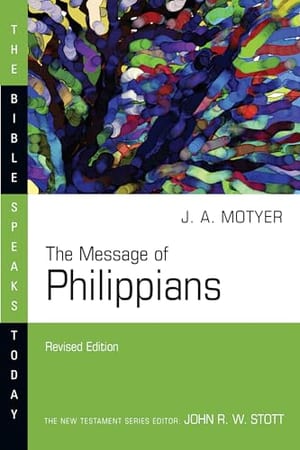
The Message of Philippians
J. Alec Motyer
View on Amazon →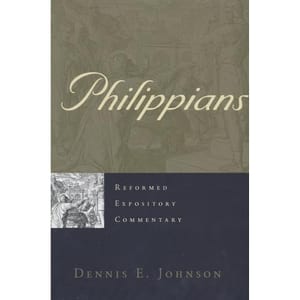
Philippians (Reformed Expository Commentary)
Dennis E. Johnson
View on Amazon →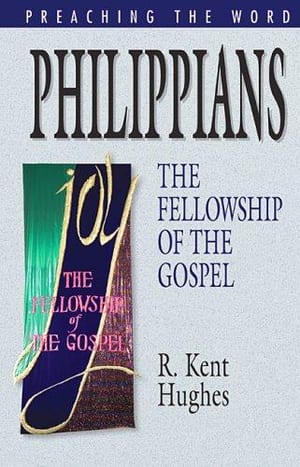
Philippians: The Fellowship of the Gospel (Preaching the Word)
R. Kent Hughes
View on Amazon →As an Amazon Associate we earn from qualifying purchases.
Pronunciation Video
Watch on YouTube →Historical Context
Philippians: Etymology and Pronunciation Guide
The word Philippians (pronounced fih-LIHP-ih-uhnz) refers to the residents of Philippi, an ancient city in Macedonia. Learning how to pronounce Philippians correctly helps Bible readers engage more confidently with this important New Testament epistle. The term derives from the Greek city's name, Philippi, which itself was named after Philip II of Macedon, the father of Alexander the Great.
Historical and Biblical Context
Philippi held strategic importance as a Roman colony and major city along the Egnatian Way, a crucial trade route. When Paul and his companions traveled to Macedonia during his second missionary journey (Acts 16), they established one of the first Christian churches on European soil at Philippi. This community became deeply significant to Paul personally.
The Letter to the Philippians
The Book of Philippians, Paul's epistle to this church, appears in the New Testament as the fourth of his letters. Written around 60–62 AD, likely from Rome during Paul's imprisonment, the letter brims with joy and thanksgiving despite Paul's circumstances. Pronouncing Philippians correctly becomes especially useful when discussing this book in Bible studies, since many readers encounter the name frequently while reading passages about Christian unity, joy in suffering, and the famous hymn in Philippians 2:5–11.
Why This Matters for Bible Readers
Understanding the Philippians pronunciation and its historical roots enriches your reading experience. The church at Philippi was known for their generosity and devotion to Paul—they were among the few churches that supported him financially. This context illuminates why Paul's tone in the letter is so warm and affectionate compared to some of his other epistles.
Whether you're preparing a sermon, leading a Bible study, or simply reading through the New Testament, pronouncing Philippians correctly—fih-LIHP-ih-uhnz—reflects respect for Scripture and helps you communicate clearly with others. The letter itself addresses timeless themes of faith, contentment, and Christian living that remain relevant for modern believers.
How to Read, Study & Pray

How to Read the Bible for All Its Worth
Gordon Fee & Douglas Stuart
View on Amazon →
Grasping God's Word
J. Scott Duvall & J. Daniel Hays
View on Amazon →
A Praying Life
Paul E. Miller
View on Amazon →
Women of the Word
Jen Wilkin
View on Amazon →
The Bible Recap
Tara-Leigh Cobble
View on Amazon →As an Amazon Associate we earn from qualifying purchases.