
How to Pronounce
Philemonfih-LEE-muhn or FILL-uh-muhn
Hear the pronunciation of Philemon
Click to play audio
Commentaries on This Book

Colossians and Philemon (Tyndale New Testament Commentaries)
N. T. Wright
View on Amazon →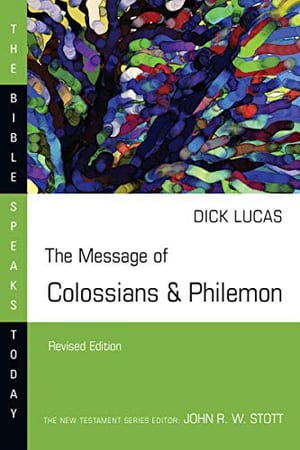
The Message of Colossians & Philemon
Dick Lucas
View on Amazon →
Colossians & Philemon: So Walk In Him
John Woodhouse
View on Amazon →As an Amazon Associate we earn from qualifying purchases.
Pronunciation Video
Watch on YouTube →Meaning
who kisses
Historical Context
Philemon: A Name Rooted in Affection
The name Philemon carries a fascinating origin that reveals much about the man behind it. Derived from the Greek word philéō, meaning "to kiss" or "to show affection," Philemon's name itself speaks to his character as someone known for warmth and hospitality. Understanding the etymology helps explain why Paul chose to write to him personally about a deeply relational matter.
Where Philemon Appears in Scripture
Philemon appears primarily in the New Testament book that bears his name—the epistle of Philemon. This short letter, written by the Apostle Paul, addresses Philemon directly and concerns the return of Onesimus, a runaway slave who had become a believer. The letter is remarkable for its personal tone and Paul's appeal based on Christian love rather than apostolic authority.
While Philemon isn't mentioned extensively elsewhere in Scripture, Colossians 4:9 references Onesimus being sent to the Colossian church "with Onesimus, a faithful and beloved brother," suggesting Philemon was a respected member of the early church community, likely in Colossae.
Pronouncing Philemon Correctly
For those learning how to pronounce Philemon, two acceptable pronunciations exist: fih-LEE-muhn (emphasizing the second syllable) or FILL-uh-muhn (with stress on the first syllable). Both are widely used in English-speaking churches and academic settings. When pronouncing Philemon correctly in formal Bible study or teaching, either version is considered standard.
Why Philemon Matters Today
Philemon's significance extends beyond his single biblical letter. His willingness to receive Paul's appeal demonstrates the transformative power of the gospel in relationships. The book of Philemon raises timeless questions about forgiveness, reconciliation, and Christian brotherhood that remain relevant to modern readers.
For pastors and Bible teachers, Philemon pronunciation may seem minor, but the name itself—meaning "one who kisses" or "affectionate one"—perfectly encapsulates the letter's central message: that Christian love transcends social hierarchy and transforms how we treat one another.
How to Read, Study & Pray

How to Read the Bible for All Its Worth
Gordon Fee & Douglas Stuart
View on Amazon →
Grasping God's Word
J. Scott Duvall & J. Daniel Hays
View on Amazon →
A Praying Life
Paul E. Miller
View on Amazon →
Women of the Word
Jen Wilkin
View on Amazon →
The Bible Recap
Tara-Leigh Cobble
View on Amazon →As an Amazon Associate we earn from qualifying purchases.
