How to Pronounce
PharaohFEHR-o
Hear the pronunciation of Pharaoh
Click to play audio
Old Testament Reading
The Unfolding Mystery
Edmund P. Clowney
View on Amazon →
According to Plan
Graeme Goldsworthy
View on Amazon →
Introducing the Old Testament
Tremper Longman III
View on Amazon →
God's Big Picture
Vaughan Roberts
View on Amazon →
The Drama of Scripture
Bartholomew & Goheen
View on Amazon →As an Amazon Associate we earn from qualifying purchases.
Pronunciation Video
Watch on YouTube →Meaning
that disperses; that spoils
Historical Context
Pharaoh: Ruler of Ancient Egypt
When you encounter the word Pharaoh in Scripture, you're reading one of the Bible's most consequential titles. Understanding how to pronounce Pharaoh correctly—FEHR-o—is just the beginning. This single word unlocks entire chapters of biblical narrative, from the plagues of Egypt to the exodus of God's people.
Etymology and Original Meaning
The term Pharaoh derives from the Egyptian royal title meaning "that disperses" or "that spoils." The name itself carries connotations of power and dominion—a ruler with authority to scatter enemies and plunder resources. When pronouncing Pharaoh correctly in your Bible study, you're speaking a word laden with ancient authority and divine confrontation.
Biblical Significance and Scripture References
Pharaoh appears prominently throughout the Old Testament, most notably in Exodus. The most famous encounter occurs in Exodus 5–12, where Moses and Aaron confront Pharaoh with God's demand to "let my people go." This Pharaoh—likely Ramesses II—becomes the antagonist in one of Scripture's most dramatic narratives, hardening his heart repeatedly despite ten devastating plagues.
The figure of Pharaoh also appears in Genesis, where Joseph serves under Pharaoh's rule (Genesis 37–50), and in later historical books like 1 Kings and 2 Kings, where various Pharaohs interact with Israel's kings.
Why This Matters for Bible Readers
Pharaoh represents more than a historical ruler; he embodies spiritual opposition to God's purposes. The repeated phrase "Pharaoh hardened his heart" becomes a theological statement about human resistance to divine will. When Bible teachers discuss pronouncing Pharaoh in context, they're often exploring themes of God's sovereignty, judgment, and redemption.
For pastors and Bible students, understanding Pharaoh's role illuminates the Exodus narrative's spiritual depth. This ancient king's stubbornness demonstrates how God uses even human resistance to accomplish His plan. The plagues weren't merely natural disasters—they were divine signs demonstrating God's supremacy over Egypt's gods and Pharaoh's powerlessness before the God of Israel.
Whether you're preparing a sermon or studying Scripture personally, pronouncing Pharaoh with confidence means engaging with one of the Bible's most pivotal historical and spiritual figures.
How to Read, Study & Pray

How to Read the Bible for All Its Worth
Gordon Fee & Douglas Stuart
View on Amazon →
Grasping God's Word
J. Scott Duvall & J. Daniel Hays
View on Amazon →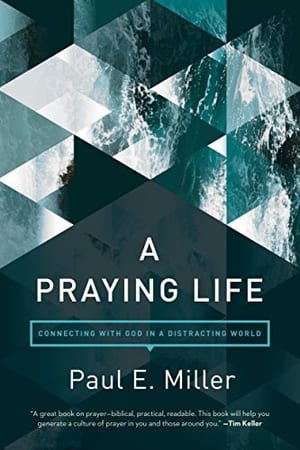
A Praying Life
Paul E. Miller
View on Amazon →
Women of the Word
Jen Wilkin
View on Amazon →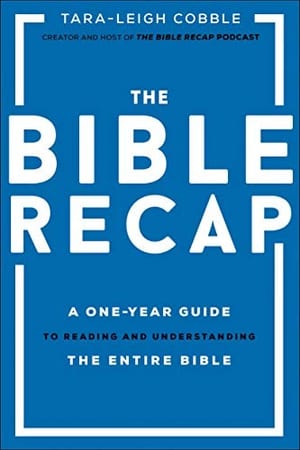
The Bible Recap
Tara-Leigh Cobble
View on Amazon →As an Amazon Associate we earn from qualifying purchases.