How to Pronounce
PharanFAHR-ahn
Hear the pronunciation of Pharan
Click to play audio
Old Testament Reading

The Unfolding Mystery
Edmund P. Clowney
View on Amazon →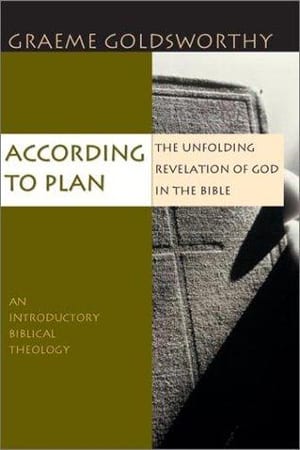
According to Plan
Graeme Goldsworthy
View on Amazon →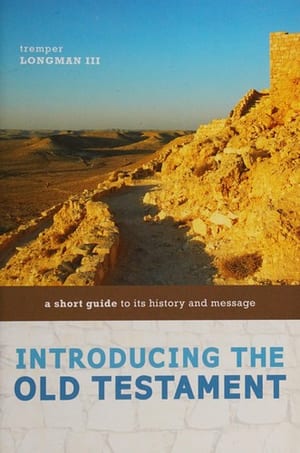
Introducing the Old Testament
Tremper Longman III
View on Amazon →
God's Big Picture
Vaughan Roberts
View on Amazon →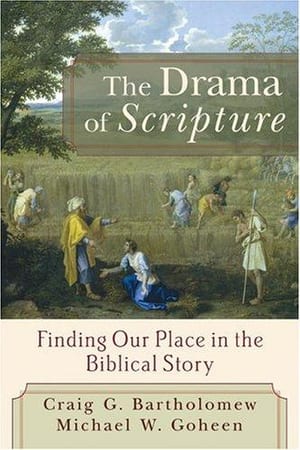
The Drama of Scripture
Bartholomew & Goheen
View on Amazon →As an Amazon Associate we earn from qualifying purchases.
Pronunciation Video
Watch on YouTube →Historical Context
Pharan: The Wilderness Where Israel Wandered
The name Pharan appears throughout the Old Testament as a significant geographical and spiritual landmark in Israel's desert journey. Learning how to pronounce Pharan correctly—FAHR-ahn—helps Bible readers follow the narratives of wilderness wandering with greater clarity and confidence.
Etymology and Original Meaning
Pharan derives from the Hebrew פָּארָן (Paran), a word whose exact etymology remains debated among scholars. Some linguistic traditions connect it to an Arabic root meaning "to hide" or "to conceal," which resonates with the wilderness context where the Israelites spent forty years. The name itself became synonymous with desolation and testing—a place of both divine provision and human struggle.
Where Pharan Appears in Scripture
The wilderness of Paran is mentioned explicitly in Numbers 10:12, where the Israelites depart from Sinai and journey toward the promised land. It reappears in Numbers 12:16 following Miriam's leprosy, and again in Numbers 13:3 when Moses sends twelve spies to scout Canaan. The region also features in 1 Samuel 25:1, where David takes refuge there during his flight from Saul.
Biblical Significance
Pronouncing Pharan correctly matters because it anchors some of Israel's most pivotal moments. The wilderness of Paran witnessed the people's murmuring against God, the rebellion of Korah, and the pivotal spy mission that shaped an entire generation's fate. It was here that God demonstrated both patience and judgment—providing water and manna while also holding the nation accountable for their faithlessness.
For Bible students and teachers, understanding Pharan pronunciation and its role in the Exodus narrative deepens comprehension of Israel's spiritual development. This wasn't merely a geographical location but a crucible where faith was tested and God's character revealed. When you encounter Pharan in your reading, you're standing at the intersection of divine promise and human doubt—one of Scripture's most formative seasons.
How to Read, Study & Pray

How to Read the Bible for All Its Worth
Gordon Fee & Douglas Stuart
View on Amazon →
Grasping God's Word
J. Scott Duvall & J. Daniel Hays
View on Amazon →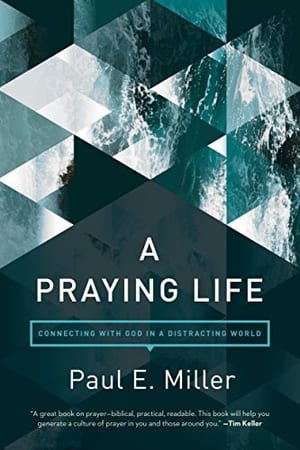
A Praying Life
Paul E. Miller
View on Amazon →
Women of the Word
Jen Wilkin
View on Amazon →
The Bible Recap
Tara-Leigh Cobble
View on Amazon →As an Amazon Associate we earn from qualifying purchases.