How to Pronounce
PersiaPER-zhuh
Hear the pronunciation of Persia
Click to play audio
Old Testament Reading
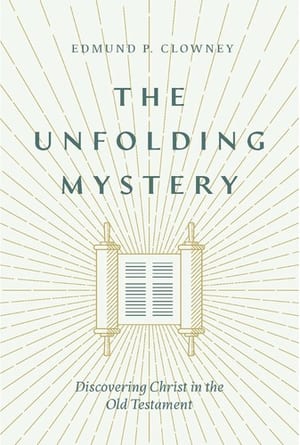
The Unfolding Mystery
Edmund P. Clowney
View on Amazon →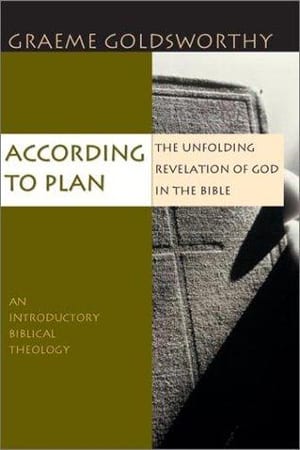
According to Plan
Graeme Goldsworthy
View on Amazon →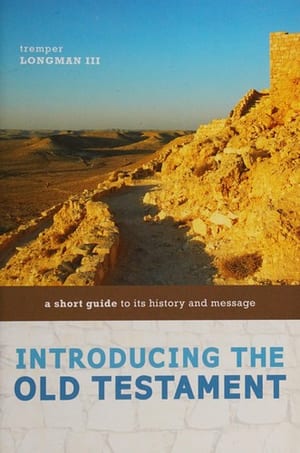
Introducing the Old Testament
Tremper Longman III
View on Amazon →
God's Big Picture
Vaughan Roberts
View on Amazon →
The Drama of Scripture
Bartholomew & Goheen
View on Amazon →As an Amazon Associate we earn from qualifying purchases.
Pronunciation Video
Watch on YouTube →Meaning
that cuts or divides; a nail; a gryphon; a horseman
Historical Context
Persia: A Biblical Empire That Shaped History
When you're reading through the books of Esther, Daniel, or Ezra, you'll encounter references to Persia—a dominant world power that profoundly influenced biblical history. Knowing how to pronounce Persia correctly (PER-zhuh) helps you engage more confidently with these texts, whether you're studying alone or teaching others.
Etymology and Original Meaning
The name Persia derives from ancient roots carrying meanings related to "that which cuts or divides," along with symbolic associations of a "nail" or fastening device—imagery reflecting the empire's role in binding together vast territories. Some etymological traditions also connect it to a "gryphon" or "horseman," both symbols of power and authority that resonated throughout the ancient Near East.
Where Persia Appears in Scripture
Persia's influence saturates several biblical books. The book of Esther is entirely set within the Persian court under King Ahasuerus. Daniel contains prophecies about Persian rule and its place in God's plan (Daniel 5:28, 6:8). Ezra documents how Persian kings—particularly Cyrus the Great—issued decrees allowing the Jewish exiles to return and rebuild the temple (Ezra 1:1-4). These aren't minor details; they're pivotal to understanding God's redemptive work.
Why Persia Matters for Bible Readers
Understanding Persia's historical and spiritual significance enriches your biblical literacy. The empire serves as the backdrop for divine providence—God working behind the scenes through pagan rulers to accomplish His purposes. When you're pronouncing Persia correctly and grasping its context, you're better equipped to see how God orchestrated the return of His people from captivity.
The Persian period also marks a critical transition in Jewish history, bridging the exile and the Second Temple era. For pastors and teachers, this context transforms isolated stories into a cohesive narrative of restoration and hope. Pronouncing Persia pronunciation correctly may seem like a small detail, but it signals respect for the text and helps your audience follow along with greater clarity and confidence.
How to Read, Study & Pray

How to Read the Bible for All Its Worth
Gordon Fee & Douglas Stuart
View on Amazon →
Grasping God's Word
J. Scott Duvall & J. Daniel Hays
View on Amazon →
A Praying Life
Paul E. Miller
View on Amazon →
Women of the Word
Jen Wilkin
View on Amazon →
The Bible Recap
Tara-Leigh Cobble
View on Amazon →As an Amazon Associate we earn from qualifying purchases.