How to Pronounce
PerezPEE-rehz
Hear the pronunciation of Perez
Click to play audio
New Testament Reading

Introducing Jesus
Mark L. Strauss
View on Amazon →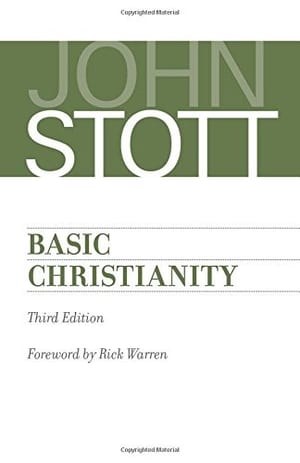
Basic Christianity
John Stott
View on Amazon →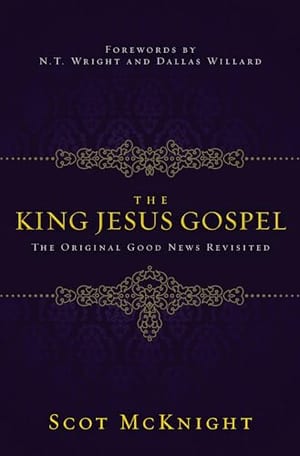
The King Jesus Gospel
Scot McKnight
View on Amazon →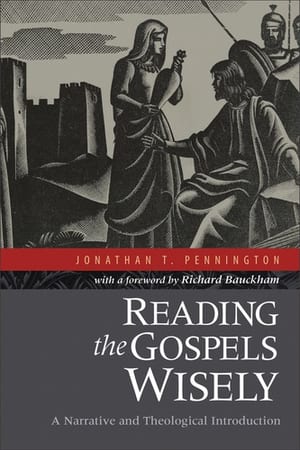
Reading the Gospels Wisely
Jonathan T. Pennington
View on Amazon →
The Jesus I Never Knew
Philip Yancey
View on Amazon →As an Amazon Associate we earn from qualifying purchases.
Pronunciation Video
Watch on YouTube →Meaning
divided
Historical Context
Perez: Meaning and Pronunciation
The name Perez comes from the Hebrew word פָּרַץ (paratz), which means "to break through" or "to divide." Understanding the Perez pronunciation—PEE-rehz—helps Bible readers engage more deeply with this significant Old Testament figure whose name carries theological weight beyond mere identification.
Who Was Perez in Scripture?
Perez appears first in Genesis 38, born to Judah and Tamar in circumstances that shocked ancient Israelite sensibilities. He and his twin brother Zerah emerged during a dramatic birthing scene where Perez literally "broke through" the womb first, seizing his brother's hand. This dramatic entrance explains his name perfectly—he was a divider, a breaker-through of natural order.
The significance of pronouncing Perez correctly becomes apparent when studying his genealogical importance. Perez became the ancestor of King David (Ruth 4:18–22), making him a direct link in the lineage leading to Jesus Christ himself. Matthew's Gospel traces Jesus's ancestry through Perez (Matthew 1:3), cementing his role in God's redemptive plan.
Why the Name Matters for Bible Study
Beyond genealogy, Perez's story illustrates God's willingness to work through unconventional circumstances. His birth resulted from Tamar's courageous deception of Judah—yet God honored both mother and child, incorporating them into the messianic line. When learning how to pronounce Perez correctly, Bible students should recognize that his name encapsulates this theme of divine breakthrough and redemption.
The Hebrew concept of paratz (breaking through) appears throughout Scripture as God's pattern: breaking through obstacles, barriers, and human limitations to accomplish His purposes. Perez embodies this principle personally.
Pronouncing Perez Correctly
For those interested in pronouncing Perez accurately in Bible study groups or teaching settings, remember: PEE-rehz. The first syllable receives emphasis, with a short "ee" sound followed by a rolled or standard "r," then "ez" at the end. This straightforward Perez pronunciation reflects the Hebrew original while remaining accessible to English speakers.
How to Read, Study & Pray

How to Read the Bible for All Its Worth
Gordon Fee & Douglas Stuart
View on Amazon →
Grasping God's Word
J. Scott Duvall & J. Daniel Hays
View on Amazon →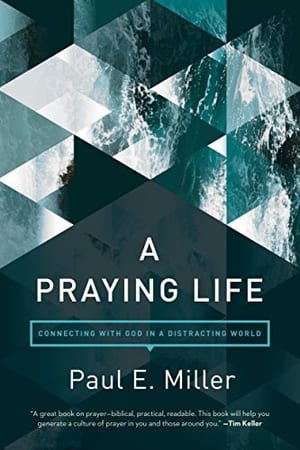
A Praying Life
Paul E. Miller
View on Amazon →
Women of the Word
Jen Wilkin
View on Amazon →
The Bible Recap
Tara-Leigh Cobble
View on Amazon →As an Amazon Associate we earn from qualifying purchases.