How to Pronounce
PeresPEE-rehs
Hear the pronunciation of Peres
Click to play audio
Old Testament Reading

The Unfolding Mystery
Edmund P. Clowney
View on Amazon →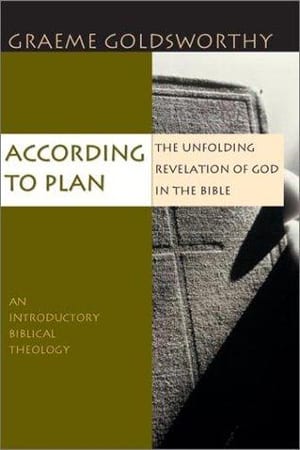
According to Plan
Graeme Goldsworthy
View on Amazon →
Introducing the Old Testament
Tremper Longman III
View on Amazon →
God's Big Picture
Vaughan Roberts
View on Amazon →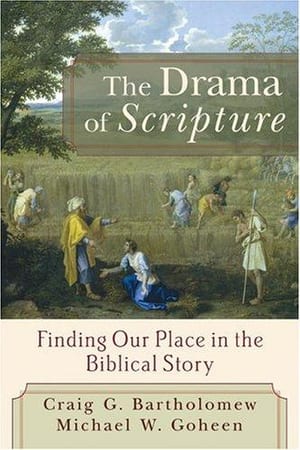
The Drama of Scripture
Bartholomew & Goheen
View on Amazon →As an Amazon Associate we earn from qualifying purchases.
Pronunciation Video
Watch on YouTube →Historical Context
Peres: A Name Written on the Wall
The word Peres (Aramaic: פְרֵס) appears in one of Scripture's most dramatic moments—the handwriting on the wall. Understanding how to pronounce Peres correctly opens up the meaning behind King Belshazzar's terrifying vision in Daniel 5.
Etymology and Original Meaning
Peres comes from Aramaic and means "divided" or "broken." The root word relates to division or breaking apart. In the context where it appears, the name carries a prophetic weight: it signals the division and fall of a kingdom. Pronouncing Peres (PEE-rehs) helps Bible readers recognize this Aramaic term, which differs from the Hebrew they may be more familiar with.
The Biblical Account
In Daniel 5:25–28, a mysterious hand writes four words on the palace wall during Belshazzar's feast: "MENE, MENE, TEKEL, UPHARSIN." When Daniel interprets the writing, he explains that Peres—the singular form of Upharsin—means the kingdom is "divided" and "given to the Medes and Persians." This is no mere wordplay; it's a pun on the very name of the empire that would conquer Babylon.
Why Peres Matters for Bible Readers
Recognizing Peres pronunciation and understanding its meaning reveals the sophistication of biblical prophecy. The divine message embedded a double meaning: the word for "divided" also echoed the name "Persia." This linguistic connection demonstrates how God communicated judgment through language itself.
For pastors, teachers, and students, pronouncing Peres correctly when reading Daniel 5 aloud captures the original impact. It helps listeners understand that this wasn't arbitrary writing—it was a message layered with meaning, warning a king of his kingdom's imminent collapse.
The word appears nowhere else in Scripture, making this single occurrence in Daniel particularly significant. When you encounter Peres in your Bible study, you're reading one of the Old Testament's most powerful moments of divine judgment pronounced through a name.
How to Read, Study & Pray

How to Read the Bible for All Its Worth
Gordon Fee & Douglas Stuart
View on Amazon →
Grasping God's Word
J. Scott Duvall & J. Daniel Hays
View on Amazon →
A Praying Life
Paul E. Miller
View on Amazon →
Women of the Word
Jen Wilkin
View on Amazon →
The Bible Recap
Tara-Leigh Cobble
View on Amazon →As an Amazon Associate we earn from qualifying purchases.