How to Pronounce
PentecostPEHN-tee-kawst
Hear the pronunciation of Pentecost
Click to play audio
New Testament Reading
Introducing Jesus
Mark L. Strauss
View on Amazon →
Basic Christianity
John Stott
View on Amazon →
The King Jesus Gospel
Scot McKnight
View on Amazon →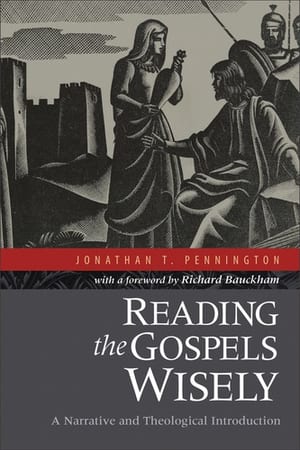
Reading the Gospels Wisely
Jonathan T. Pennington
View on Amazon →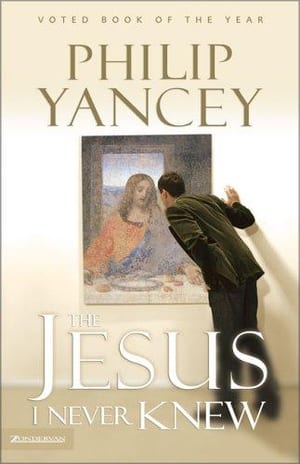
The Jesus I Never Knew
Philip Yancey
View on Amazon →As an Amazon Associate we earn from qualifying purchases.
Pronunciation Video
Watch on YouTube →Meaning
fiftieth
Historical Context
Pentecost: The Fiftieth Day
The word Pentecost comes directly from the Greek pentēkostē, which literally means "fiftieth." Understanding the Pentecost pronunciation—PEHN-tee-kawst—helps readers recognize this term whether they encounter it in academic study or during church services. The name itself reveals the festival's structure: it occurred fifty days after Passover in the Jewish calendar.
Old Testament Roots
Pentecost originated as a Jewish harvest festival, commanded in the Torah. Leviticus 23:15–16 instructs Israel to count fifty days from the day after Passover, then celebrate with an offering of new grain. This agricultural festival, also called the Feast of Weeks or Shavuot, held deep significance for Jewish identity and practice long before the New Testament era.
The New Testament Event
Pronouncing Pentecost correctly becomes especially important when discussing Acts 2, where the term takes on transformative religious meaning. On Pentecost following Jesus's resurrection and ascension, the Holy Spirit descended on believers gathered in Jerusalem. Acts 2:1–4 describes this pivotal moment: "When the day of Pentecost came, they were all together in one place. Suddenly a sound like the blowing of a violent wind came from heaven… All of them were filled with the Holy Spirit."
This event marks the birth of the Christian church. Believers spoke in languages they'd never learned, and Peter delivered a sermon that converted three thousand people. The Pentecost pronunciation and meaning matter because this single day established Christianity as a distinct movement.
Why Pentecost Matters Today
For Bible readers and students, grasping Pentecost pronunciation and significance unlocks understanding of early church history and theology. Pentecostalism—a Christian movement emphasizing the Holy Spirit's active role—takes its name directly from this event. References appear throughout Acts and Paul's epistles, making familiarity with this term essential for comprehensive Bible study.
Whether you're preparing a sermon, leading a Bible study, or deepening personal faith, pronouncing Pentecost correctly and understanding its dual meaning—both historical Jewish festival and pivotal Christian moment—enriches your engagement with Scripture.
How to Read, Study & Pray
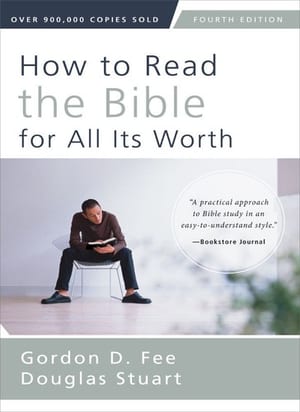
How to Read the Bible for All Its Worth
Gordon Fee & Douglas Stuart
View on Amazon →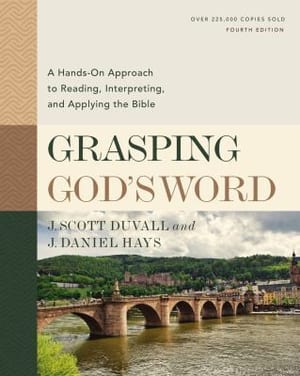
Grasping God's Word
J. Scott Duvall & J. Daniel Hays
View on Amazon →
A Praying Life
Paul E. Miller
View on Amazon →
Women of the Word
Jen Wilkin
View on Amazon →
The Bible Recap
Tara-Leigh Cobble
View on Amazon →As an Amazon Associate we earn from qualifying purchases.