How to Pronounce
PekahPEE-kah
Hear the pronunciation of Pekah
Click to play audio
Old Testament Reading

The Unfolding Mystery
Edmund P. Clowney
View on Amazon →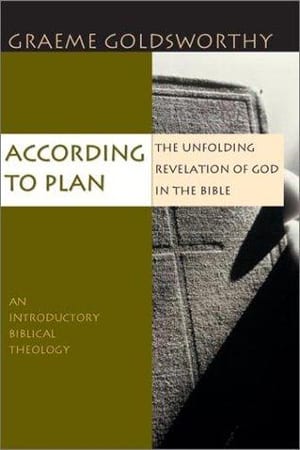
According to Plan
Graeme Goldsworthy
View on Amazon →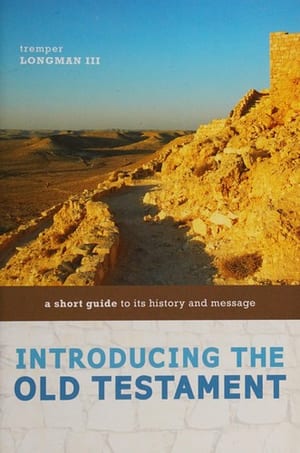
Introducing the Old Testament
Tremper Longman III
View on Amazon →
God's Big Picture
Vaughan Roberts
View on Amazon →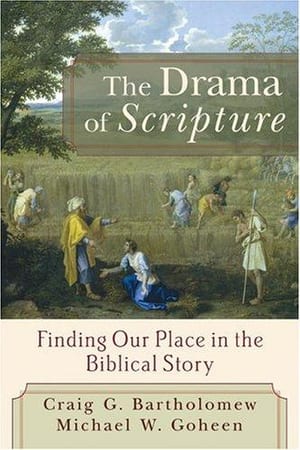
The Drama of Scripture
Bartholomew & Goheen
View on Amazon →As an Amazon Associate we earn from qualifying purchases.
Pronunciation Video
Watch on YouTube →Meaning
he that opens; that is at liberty
Historical Context
Pekah: The King Who Opened Israel's Doors to Ruin
Pekah (Hebrew: פקח) derives from the root meaning "to open" or "to be at liberty." The name carries an ironic weight—while it suggests freedom and clarity of vision, the historical Pekah brought neither to the kingdom of Israel. Learning how to pronounce Pekah correctly—PEE-kah—helps Bible readers engage more fully with one of the Northern Kingdom's most consequential rulers.
Who Was Pekah in Scripture?
Pekah reigned over Israel during the 8th century BCE, ruling for approximately twenty years. He appears primarily in 2 Kings 15–16 and 2 Chronicles 28, where he's depicted as a military officer who seized the throne through conspiracy. His reign coincided with Judah's King Ahaz and marked a period of intense regional conflict.
The biblical account in 2 Kings 15:27–31 records that Pekah assassinated his predecessor, Pekahiah, then ruled Israel while the Assyrian threat loomed increasingly large over the Levant. Pronouncing Pekah correctly becomes important when studying this turbulent period, as his name appears repeatedly in discussions of Israel's final decades before exile.
The Meaning Behind the Name
The etymology "he that opens" or "that is at liberty" reflects a common biblical naming convention where personal qualities or hopes were embedded in names. Yet Pekah's reign illustrated a tragic irony: rather than opening pathways to prosperity, his policies and military ventures opened Israel to devastation. His alliance with Syria against Judah (the so-called Syro-Ephraimite War) ultimately weakened both kingdoms and invited Assyrian intervention.
Why Pekah Matters for Bible Readers
Understanding Pekah's historical context illuminates Israel's political decline during the monarchy's twilight. His story demonstrates how internal instability and shortsighted alliances hastened national collapse. For pastors and teachers, pronouncing Pekah accurately and grasping his significance enriches discussions of prophetic warnings and God's judgment on unfaithful leadership.
Pekah's reign reminds readers that even names suggesting freedom or clarity cannot guarantee wisdom—only faithfulness to God's covenant could secure Israel's future.
How to Read, Study & Pray

How to Read the Bible for All Its Worth
Gordon Fee & Douglas Stuart
View on Amazon →
Grasping God's Word
J. Scott Duvall & J. Daniel Hays
View on Amazon →
A Praying Life
Paul E. Miller
View on Amazon →
Women of the Word
Jen Wilkin
View on Amazon →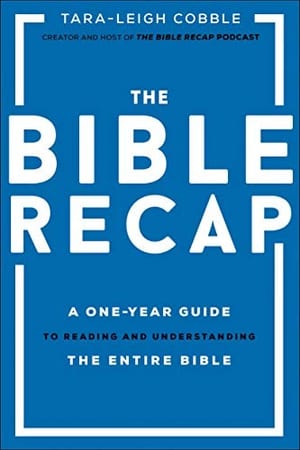
The Bible Recap
Tara-Leigh Cobble
View on Amazon →As an Amazon Associate we earn from qualifying purchases.