
How to Pronounce
PatriarchPAY-trih-ahrk
Hear the pronunciation of Patriarch
Click to play audio
Old Testament Reading
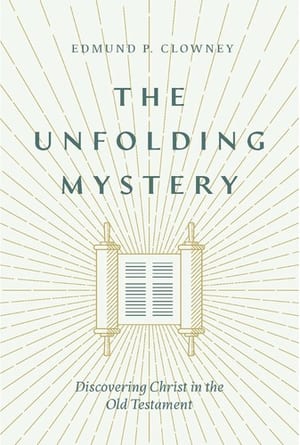
The Unfolding Mystery
Edmund P. Clowney
View on Amazon →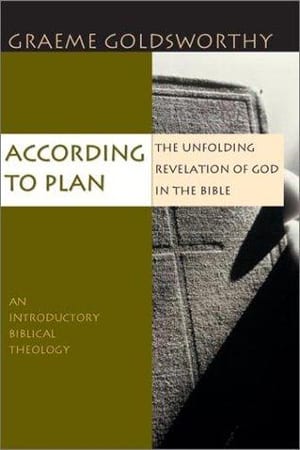
According to Plan
Graeme Goldsworthy
View on Amazon →
Introducing the Old Testament
Tremper Longman III
View on Amazon →
God's Big Picture
Vaughan Roberts
View on Amazon →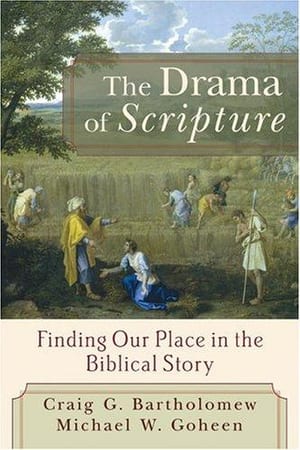
The Drama of Scripture
Bartholomew & Goheen
View on Amazon →As an Amazon Associate we earn from qualifying purchases.
Pronunciation Video
Watch on YouTube →Historical Context
Patriarch: Understanding a Biblical Leadership Title
The word Patriarch comes from the Greek patriarkhes, combining patria (family or clan) and arkhes (ruler or leader). Literally, it means "father-ruler" — the male head of a family line or tribe who held both spiritual and material authority over his descendants. Understanding how to pronounce Patriarch correctly — PAY-trih-ahrk — helps Bible readers engage more fully with discussions about these foundational figures.
Etymology and Original Meaning
In ancient Near Eastern culture, the patriarch wasn't simply a biological father. He was the keeper of family covenant, the mediator between God and his household, and the steward of ancestral land and blessing. When pronouncing Patriarch in biblical contexts, you're naming someone entrusted with generational spiritual responsibility.
The Patriarchs in Scripture
The term appears most prominently in reference to Abraham, Isaac, and Jacob — the three great patriarchs whose stories dominate Genesis. Abraham receives God's covenant promise in Genesis 12:1–3, establishing the pattern of patriarchal blessing and land inheritance. Stephen's speech in Acts 7 reviews these figures, calling Abraham specifically "the patriarch" (Acts 7:8–9), demonstrating how central this title remained in early Christian understanding.
The twelve sons of Jacob became the patriarchs of Israel's twelve tribes, with Judah emerging as the leading tribal patriarch (Genesis 49). Paul references the patriarchs in Romans 9:5, connecting them to Christ's lineage.
Why This Matters for Bible Readers
Grasping Patriarch pronunciation and meaning illuminates the biblical worldview. These weren't distant mythological figures but real men whose covenant promises shaped Israel's identity and, Christians believe, pointed toward Jesus. When you encounter references to "the patriarchs," you're reading about the foundation of God's redemptive plan.
Recognizing the patriarch's role — both as family head and covenant keeper — helps readers understand why Genesis emphasizes genealogy, blessing, and land. The patriarchs embody the principle that God works through family lines and generational faithfulness to accomplish His purposes.
How to Read, Study & Pray

How to Read the Bible for All Its Worth
Gordon Fee & Douglas Stuart
View on Amazon →
Grasping God's Word
J. Scott Duvall & J. Daniel Hays
View on Amazon →
A Praying Life
Paul E. Miller
View on Amazon →
Women of the Word
Jen Wilkin
View on Amazon →
The Bible Recap
Tara-Leigh Cobble
View on Amazon →As an Amazon Associate we earn from qualifying purchases.
