How to Pronounce
PassoverPAS-o-ver
Hear the pronunciation of Passover
Click to play audio
New Testament Reading
Introducing Jesus
Mark L. Strauss
View on Amazon →
Basic Christianity
John Stott
View on Amazon →
The King Jesus Gospel
Scot McKnight
View on Amazon →
Reading the Gospels Wisely
Jonathan T. Pennington
View on Amazon →
The Jesus I Never Knew
Philip Yancey
View on Amazon →As an Amazon Associate we earn from qualifying purchases.
Pronunciation Video
Watch on YouTube →Meaning
Pronunciation: PAS-o-ver
Historical Context
Passover: Pronunciation and Biblical Meaning
Pronunciation: PAS-o-ver
The word "Passover" comes from the Hebrew Pesach (פסח), which literally means "to pass over" or "to skip over." This etymology captures the heart of the event: God's angel of death passed over the homes of Israelites marked with lamb's blood during the tenth plague in Egypt, while striking down the firstborn of every Egyptian household.
When and Where Passover Appears in Scripture
The foundational account of Passover appears in Exodus 12, where God commands Moses to institute this memorial feast. The detailed instructions cover everything from selecting an unblemished lamb to the specific way it should be prepared and eaten. Additional regulations and observances are found in Leviticus 23:4–8, Numbers 28:16–25, and Deuteronomy 16:1–8.
Beyond the Torah, Passover celebrations are recorded throughout Israel's history—most notably King Josiah's Passover in 2 Chronicles 35. In the New Testament, Jesus and His disciples observed Passover together at the Last Supper, an event central to understanding Christian theology (Matthew 26, Mark 14, Luke 22, John 13).
Why Pronouncing Passover Correctly Matters
For pastors, teachers, and students, knowing how to pronounce Passover correctly—as PAS-o-ver—ensures clear communication when discussing this pivotal biblical event. The festival commemorates Israel's deliverance from slavery and prefigures Christ's redemptive work in Christian theology.
Understanding the Passover pronunciation also helps when exploring related terms like "Pesach," the Hebrew original, or when reading ancient Jewish sources alongside English Bible translations.
The Enduring Significance
Passover remains one of the most important observances in Jewish tradition and carries profound meaning in Christian interpretation. Pronouncing Passover with accuracy reflects respect for both the historical event and its theological weight. Whether you're preparing a sermon, teaching a Bible study, or simply deepening your understanding of Scripture, grasping the full context of this festival—starting with its correct pronunciation—enriches your engagement with God's Word.
How to Read, Study & Pray
How to Read the Bible for All Its Worth
Gordon Fee & Douglas Stuart
View on Amazon →
Grasping God's Word
J. Scott Duvall & J. Daniel Hays
View on Amazon →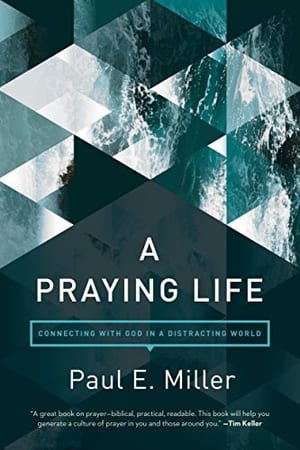
A Praying Life
Paul E. Miller
View on Amazon →
Women of the Word
Jen Wilkin
View on Amazon →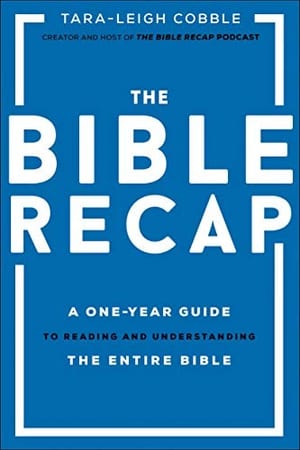
The Bible Recap
Tara-Leigh Cobble
View on Amazon →As an Amazon Associate we earn from qualifying purchases.