
How to Pronounce
Paschpask
Hear the pronunciation of Pasch
Click to play audio
New Testament Reading
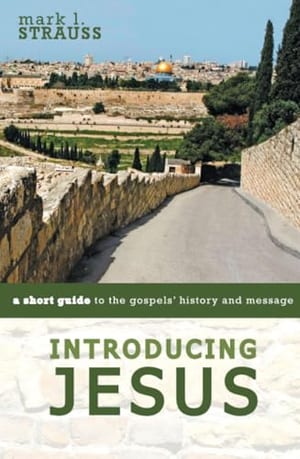
Introducing Jesus
Mark L. Strauss
View on Amazon →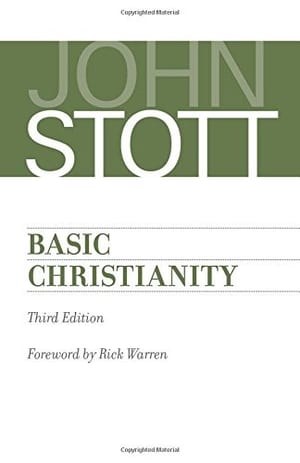
Basic Christianity
John Stott
View on Amazon →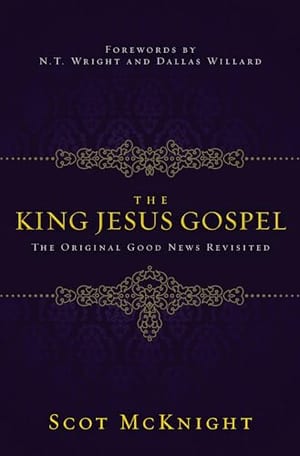
The King Jesus Gospel
Scot McKnight
View on Amazon →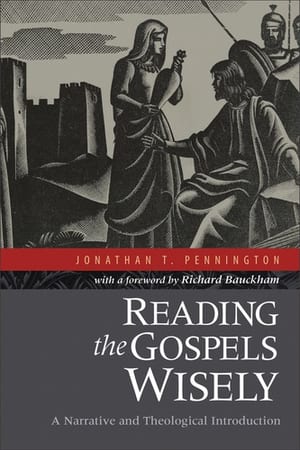
Reading the Gospels Wisely
Jonathan T. Pennington
View on Amazon →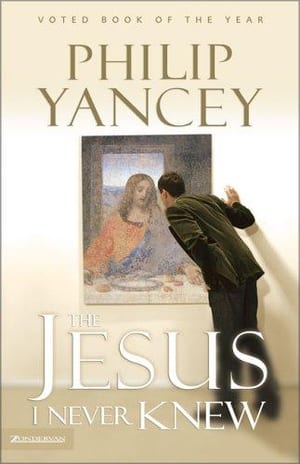
The Jesus I Never Knew
Philip Yancey
View on Amazon →As an Amazon Associate we earn from qualifying purchases.
Pronunciation Video
Watch on YouTube →Historical Context
Pasch: The Passover Feast and Its Ancient Name
The word Pasch appears throughout Christian scripture as an alternative name for Passover, derived from the Hebrew Pesaḥ (פסח). Understanding how to pronounce Pasch correctly—as "pask"—helps readers recognize this crucial biblical term across different Bible translations and historical texts.
Etymology and Original Meaning
The Hebrew root Pesaḥ likely derives from a verb meaning "to skip over" or "to spare," referencing God's protective action during the tenth plague in Egypt. When the angel of death passed through the land, it "passed over" (or skipped) the homes of Israelites marked with lamb's blood on their doorposts. This event, recorded in Exodus 12, became the foundation of Jewish religious practice and shaped Christian theology for millennia.
Pronouncing Pasch correctly opens understanding to older English Bible versions and classical theological texts, where this term was preferred over the more Anglicized "Passover."
Biblical Significance and Use
The Pasch pronunciation and its underlying meaning carry profound weight in Scripture. Jesus Himself celebrated the Passover meal before His crucifixion—an event Christians understand as the ultimate fulfillment of the Pesaḥ. In 1 Corinthians 5:7, Paul writes, "Christ our Passover is sacrificed for us," directly linking Jesus's sacrifice to the ancient festival.
The term appears in the Gospel accounts of the Last Supper and throughout the Acts of the Apostles. When Pasch pronunciation guides readers to these passages, they discover connections between Old Testament shadow and New Testament reality that might otherwise remain hidden.
Why Pasch Matters for Modern Bible Readers
While contemporary translations typically use "Passover," encountering Pasch in older texts, commentaries, or liturgical contexts requires familiarity with this alternative form. Recognizing the Pasch pronunciation and its meaning enriches study of how the early church understood Christ's redemptive work through the lens of Israel's foundational liberation story.
For pastors, scholars, and dedicated students, mastering Pasch pronunciation connects them to centuries of biblical interpretation and deepens their grasp of salvation history as Scripture presents it.
How to Read, Study & Pray

How to Read the Bible for All Its Worth
Gordon Fee & Douglas Stuart
View on Amazon →
Grasping God's Word
J. Scott Duvall & J. Daniel Hays
View on Amazon →
A Praying Life
Paul E. Miller
View on Amazon →
Women of the Word
Jen Wilkin
View on Amazon →
The Bible Recap
Tara-Leigh Cobble
View on Amazon →As an Amazon Associate we earn from qualifying purchases.
