How to Pronounce
JosaphatDZHAH-suh-fat
Hear the pronunciation of Josaphat
Click to play audio
New Testament Reading

Introducing Jesus
Mark L. Strauss
View on Amazon →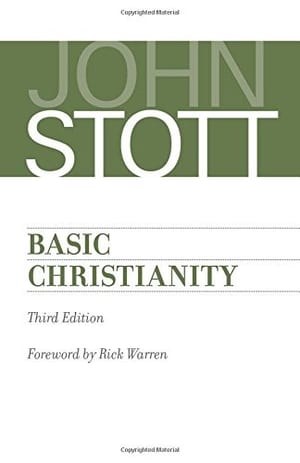
Basic Christianity
John Stott
View on Amazon →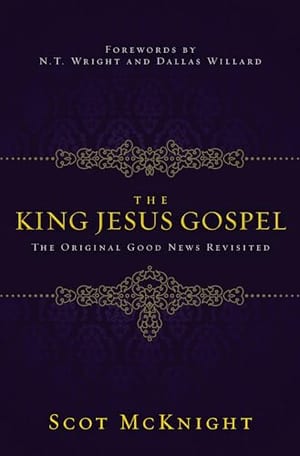
The King Jesus Gospel
Scot McKnight
View on Amazon →
Reading the Gospels Wisely
Jonathan T. Pennington
View on Amazon →
The Jesus I Never Knew
Philip Yancey
View on Amazon →As an Amazon Associate we earn from qualifying purchases.
Pronunciation Video
Watch on YouTube →Meaning
same as Jehoshaphat, the Lord is judge
Historical Context
Josaphat: A Greek Variant of a Powerful Judean Name
Josaphat is the Greek form of the Hebrew name Jehoshaphat, appearing primarily in the New Testament genealogies. Understanding how to pronounce Josaphat correctly—DZHAH-suh-fat—helps readers navigate both Old and New Testament references to this significant biblical name.
Etymology and Meaning
The name derives from Hebrew roots: Yehō (the Lord) and shaphat (to judge). Combined, Josaphat means "the Lord is judge," reflecting a theological conviction central to ancient Judean faith. This meaning underscores divine sovereignty and justice—themes that dominated the reigns of kings bearing this name.
When translating Hebrew scriptures into Greek, biblical scribes adapted Jehoshaphat to the Hellenized form Josaphat, which is why you'll encounter this pronunciation variant in passages translated from Greek sources.
Where Josaphat Appears in Scripture
The primary biblical occurrence of Josaphat (as distinct from fuller references to Jehoshaphat) appears in Matthew 1:8 and related genealogical passages. These verses trace Jesus's lineage through the Judean kings, and Josaphat appears as an ancestor of David's line. The genealogy emphasizes continuity between the Old Testament monarchy and Jesus's identity as the promised Messiah.
Pronouncing Josaphat correctly matters here because Bible teachers and students often encounter this name when studying Matthew's genealogy, one of the New Testament's most frequently discussed passages.
Why This Name Matters for Bible Readers
Beyond genealogical interest, Josaphat represents a bridge between testaments. The king Jehoshaphat was known for religious reform and military victories recorded in 2 Chronicles. His inclusion in Jesus's ancestry connects messianic promise to historical Judean leadership.
For pastors and Bible students, recognizing that Josaphat and Jehoshaphat refer to the same person prevents confusion when cross-referencing passages. This knowledge enriches understanding of how the New Testament grounds Jesus in legitimate royal succession and divine promise.
The name's enduring meaning—"the Lord is judge"—resonates throughout Scripture, reminding readers that ultimate authority belongs to God alone, a theme Jesus himself embodied.
How to Read, Study & Pray

How to Read the Bible for All Its Worth
Gordon Fee & Douglas Stuart
View on Amazon →
Grasping God's Word
J. Scott Duvall & J. Daniel Hays
View on Amazon →
A Praying Life
Paul E. Miller
View on Amazon →
Women of the Word
Jen Wilkin
View on Amazon →
The Bible Recap
Tara-Leigh Cobble
View on Amazon →As an Amazon Associate we earn from qualifying purchases.