How to Pronounce
Jechoniahdzhehk-o-NAI-uh
Hear the pronunciation of Jechoniah
Click to play audio
Old Testament Reading

The Unfolding Mystery
Edmund P. Clowney
View on Amazon →
According to Plan
Graeme Goldsworthy
View on Amazon →
Introducing the Old Testament
Tremper Longman III
View on Amazon →
God's Big Picture
Vaughan Roberts
View on Amazon →
The Drama of Scripture
Bartholomew & Goheen
View on Amazon →As an Amazon Associate we earn from qualifying purchases.
Pronunciation Video
Watch on YouTube →Meaning
How to pronounce Jechoniah correctly requires understanding its Hebrew roots. The name comes from the Hebrew Yehoyakhin (יְהוֹיָכִין), which combines two elements: Yeho (a shortened form of Yahweh, God's name) and yakhin (meaning "he will establish" or "he establishes"). Pronouncing Jechoniah as dzhehk-o-NAI-uh gives English speakers an accessible approximation of this ancient Hebrew name.
Historical Context
Jechoniah: Biblical Pronunciation and Meaning
How to pronounce Jechoniah correctly requires understanding its Hebrew roots. The name comes from the Hebrew Yehoyakhin (יְהוֹיָכִין), which combines two elements: Yeho (a shortened form of Yahweh, God's name) and yakhin (meaning "he will establish" or "he establishes"). Pronouncing Jechoniah as dzhehk-o-NAI-uh gives English speakers an accessible approximation of this ancient Hebrew name.
Who Was Jechoniah in Scripture?
Jechoniah (also spelled Jeconiah or Coniah) was a king of Judah during the final years before the Babylonian exile. He ruled for only three months around 598 BCE, making his reign one of the shortest in Judah's history. You'll find his story primarily in 2 Kings 24:8–16 and 2 Chronicles 36:9–10, where the biblical account describes his capture by Nebuchadnezzar and deportation to Babylon.
Why Jechoniah Matters for Bible Readers
Beyond simply knowing how to pronounce Jechoniah correctly, understanding his significance reveals crucial themes in biblical history. Despite his brief and troubled reign, Jechoniah appears in the genealogy of Jesus in Matthew 1:11–12. This inclusion is theologically profound—it demonstrates God's faithfulness even through Israel's darkest periods and most failed leaders.
Pronouncing Jechoniah accurately becomes important when studying the exile narrative and the messianic line. The prophet Jeremiah references him in Jeremiah 22:24–30 with a harsh judgment, yet later passages (like Jeremiah 52:31–34) show his eventual release and honor in Babylon, suggesting divine mercy alongside judgment.
The Name's Enduring Significance
When you encounter Jechoniah pronunciation in your Bible study, remember that his name itself—"God establishes"—carries ironic weight. Though his kingdom fell and he was exiled, God's establishment of His covenant promises continued through his line. For pastors and teachers, Jechoniah represents a pivotal moment where human failure meets divine purpose, making him essential to understanding both Judah's collapse and Christianity's foundational narrative.
How to Read, Study & Pray

How to Read the Bible for All Its Worth
Gordon Fee & Douglas Stuart
View on Amazon →
Grasping God's Word
J. Scott Duvall & J. Daniel Hays
View on Amazon →
A Praying Life
Paul E. Miller
View on Amazon →
Women of the Word
Jen Wilkin
View on Amazon →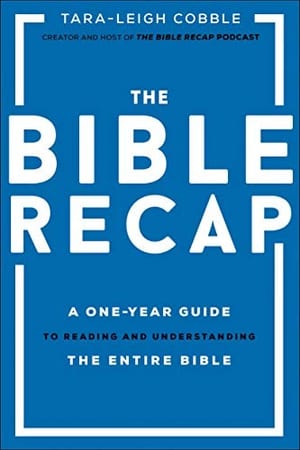
The Bible Recap
Tara-Leigh Cobble
View on Amazon →As an Amazon Associate we earn from qualifying purchases.