How to Pronounce
Jehoiachimdzhee-HOI-uh-kihm
Hear the pronunciation of Jehoiachim
Click to play audio
Old Testament Reading
The Unfolding Mystery
Edmund P. Clowney
View on Amazon →
According to Plan
Graeme Goldsworthy
View on Amazon →
Introducing the Old Testament
Tremper Longman III
View on Amazon →
God's Big Picture
Vaughan Roberts
View on Amazon →
The Drama of Scripture
Bartholomew & Goheen
View on Amazon →As an Amazon Associate we earn from qualifying purchases.
Pronunciation Video
Watch on YouTube →Historical Context
Jehoiachim: A King's Name with Deep Roots
If you've encountered Jehoiachim while reading through the Old Testament, you're looking at one of Judah's most controversial monarchs. Learning how to pronounce Jehoiachim correctly—dzhee-HOI-uh-kihm—is your first step toward understanding his story and his place in biblical history.
Etymology and Meaning
The name Jehoiachim comes from Hebrew Yehoyaqim, composed of two elements: "Yaho" (derived from the divine name YHWH) and "qum," meaning "to establish" or "to raise up." So Jehoiachim literally means "YHWH establishes" or "the Lord will establish." Despite this pious meaning, the historical Jehoiachim's reign tells a starkly different story.
Who Was Jehoiachim?
Jehoiachim reigned as king of Judah around 609–597 BCE, following his father Josiah's death. He appears throughout the books of 2 Kings and 2 Chronicles, as well as in Jeremiah, where the prophet directly confronts him about his injustice and rebellion against God. In 2 Kings 23:34–24:6, we learn that Jehoiachim was initially placed on the throne by the Egyptian pharaoh Neco, then later became a vassal to Nebuchadnezzar of Babylon.
Biblical Significance
Pronouncing Jehoiachim correctly matters because his reign marks a turning point in Judah's decline. Unlike his father Josiah, who implemented religious reforms, Jehoiachim rejected the prophetic warnings delivered through Jeremiah. The prophet famously burned Jeremiah's scroll before the king in an act of defiance (Jeremiah 36). This rebellion against God's word ultimately sealed Judah's fate.
Jehoiachim died in mysterious circumstances around 597 BCE—whether naturally or as a prisoner remains debated—just as the Babylonian siege of Jerusalem intensified. His son Jehoiachin succeeded him briefly before Babylon's conquest.
Why This Matters Today
For Bible readers and teachers, understanding Jehoiachim's story illustrates the consequences of rejecting God's word. His reign represents institutional rebellion against divine guidance, making him a cautionary figure in biblical narrative. When you're pronouncing Jehoiachim correctly in your study or teaching, you're anchoring yourself to one of Scripture's most instructive—and sobering—historical
How to Read, Study & Pray

How to Read the Bible for All Its Worth
Gordon Fee & Douglas Stuart
View on Amazon →
Grasping God's Word
J. Scott Duvall & J. Daniel Hays
View on Amazon →
A Praying Life
Paul E. Miller
View on Amazon →
Women of the Word
Jen Wilkin
View on Amazon →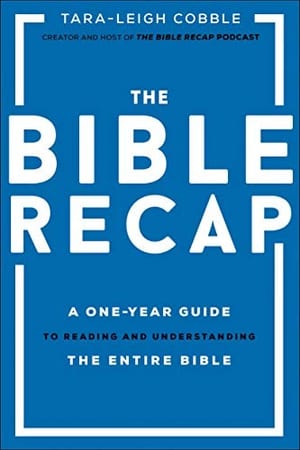
The Bible Recap
Tara-Leigh Cobble
View on Amazon →As an Amazon Associate we earn from qualifying purchases.