How to Pronounce
JebusitesDZHEHB-oo-zaits
Hear the pronunciation of Jebusites
Click to play audio
Old Testament Reading

The Unfolding Mystery
Edmund P. Clowney
View on Amazon →
According to Plan
Graeme Goldsworthy
View on Amazon →
Introducing the Old Testament
Tremper Longman III
View on Amazon →
God's Big Picture
Vaughan Roberts
View on Amazon →
The Drama of Scripture
Bartholomew & Goheen
View on Amazon →As an Amazon Associate we earn from qualifying purchases.
Pronunciation Video
Watch on YouTube →Historical Context
Jebusites: Pronunciation & Biblical Significance
The word Jebusites (pronounced DZHEHB-oo-zaits) refers to one of the ancient Canaanite peoples who inhabited the land before Israel's conquest. Getting the Jebusites pronunciation right—with emphasis on that first syllable—helps you follow their story through Scripture with confidence.
Etymology and Original Meaning
The name derives from Jebus, the ancient name for Jerusalem itself. In Hebrew, the Jebusites were called the Yebusim, literally meaning "the people of Jebus." This etymological connection is crucial: wherever you see "Jebus" in your Bible, you're looking at the Jebusites' original stronghold. The term simply identifies them by their primary settlement, a common naming convention for ancient Near Eastern peoples.
Where Scripture Mentions Them
The Jebusites appear throughout the historical books of the Old Testament. They're listed among the Canaanite nations in Genesis 10:16 and Exodus 3:8. Most significantly, they controlled Jerusalem until King David's conquest, documented in 2 Samuel 5:6–8. This passage describes how David's forces captured the city from the Jebusites, making it Israel's capital. Additional references appear in Joshua 15:8, Judges 1:21, and 1 Chronicles 11:4–5.
Why This Matters for Bible Readers
Understanding who the Jebusites were enriches your reading of Israel's conquest narrative and David's rise to power. When you know how to pronounce Jebusites correctly and recognize their connection to Jerusalem, the biblical account gains geographic and historical clarity. David's capture of their fortress wasn't merely a military victory—it was the establishment of Israel's most important city.
Pronouncing Jebusites accurately also helps in Bible study discussions and teaching settings, where precision matters. Whether you're studying the conquest period or tracing Jerusalem's history, this ancient people remains essential to understanding biblical geography and Israel's early monarchy.
How to Read, Study & Pray

How to Read the Bible for All Its Worth
Gordon Fee & Douglas Stuart
View on Amazon →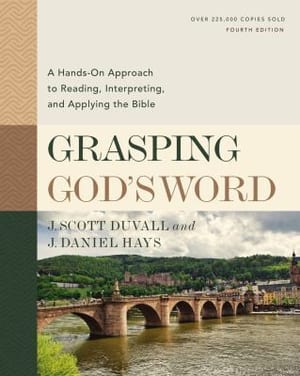
Grasping God's Word
J. Scott Duvall & J. Daniel Hays
View on Amazon →
A Praying Life
Paul E. Miller
View on Amazon →
Women of the Word
Jen Wilkin
View on Amazon →
The Bible Recap
Tara-Leigh Cobble
View on Amazon →As an Amazon Associate we earn from qualifying purchases.