How to Pronounce
John-Eudesdzhahn YOU-dehz
Hear the pronunciation of John-Eudes
Click to play audio
New Testament Reading

Introducing Jesus
Mark L. Strauss
View on Amazon →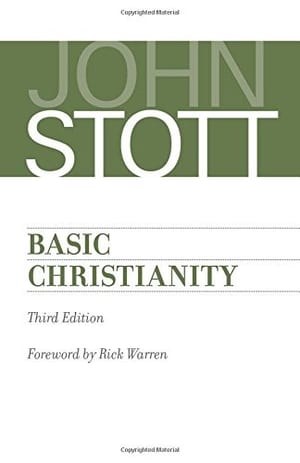
Basic Christianity
John Stott
View on Amazon →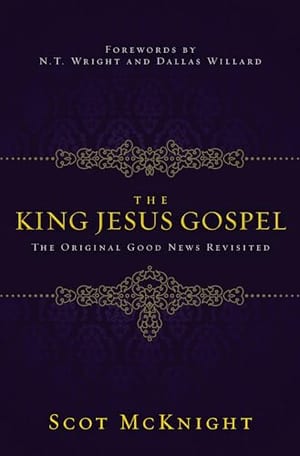
The King Jesus Gospel
Scot McKnight
View on Amazon →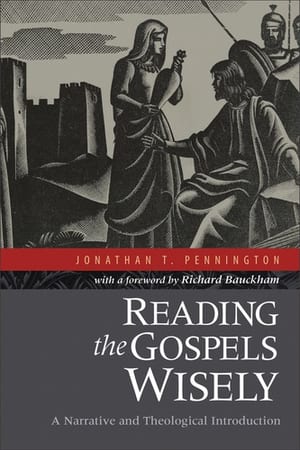
Reading the Gospels Wisely
Jonathan T. Pennington
View on Amazon →
The Jesus I Never Knew
Philip Yancey
View on Amazon →As an Amazon Associate we earn from qualifying purchases.
Pronunciation Video
Watch on YouTube →Historical Context
John-Eudes: How to Pronounce This Saint's Name
John-Eudes is pronounced dzhahn YOU-dehz. The first part, "John," follows standard English pronunciation, while "Eudes" carries a French inflection that often trips up English speakers. Pronouncing John-Eudes correctly requires attention to that second syllable: YOU-dehz, with emphasis on the first syllable of the surname.
Etymology and Original Language
The name combines two distinct elements. "John" derives from the Hebrew Yochanan, meaning "God is gracious" — one of the most significant names in Scripture, borne by John the Baptist and John the Apostle. "Eudes," however, is a French name with Germanic roots, stemming from the Old German Odo or Aud, meaning "wealth" or "prosperity."
Together, the hyphenated form John-Eudes represents a fusion of biblical and European Christian naming traditions, common among Catholic saints and theologians.
Who Was John-Eudes?
While John-Eudes isn't a biblical figure himself, he was a 17th-century French Catholic priest and theologian (1601–1680) whose writings deeply influenced Christian spirituality. He's venerated as a saint in the Catholic Church and founded the Congregation of Jesus and Mary.
For Bible students and pastors, John-Eudes matters primarily because his theological works engaged extensively with Scripture, particularly regarding devotion to the Sacred Heart of Jesus and the Immaculate Heart of Mary. His interpretations shaped how many Christian communities understood biblical passages about Christ's passion and Mary's role in salvation history.
Pronouncing John-Eudes Correctly in Context
When referencing John-Eudes in sermons, academic papers, or theological discussions, pronouncing John-Eudes correctly demonstrates respect for both the biblical tradition (the "John" component) and the historical Christian figure. The French pronunciation of the surname reflects his cultural and ecclesiastical context.
Bible teachers and pastors who encounter John-Eudes in scholarly sources will benefit from understanding both his name's dual heritage and his theological contributions to Christian biblical interpretation.
How to Read, Study & Pray

How to Read the Bible for All Its Worth
Gordon Fee & Douglas Stuart
View on Amazon →
Grasping God's Word
J. Scott Duvall & J. Daniel Hays
View on Amazon →
A Praying Life
Paul E. Miller
View on Amazon →
Women of the Word
Jen Wilkin
View on Amazon →
The Bible Recap
Tara-Leigh Cobble
View on Amazon →As an Amazon Associate we earn from qualifying purchases.