How to Pronounce
JephthahDZHEHF-thuh
Hear the pronunciation of Jephthah
Click to play audio
Old Testament Reading
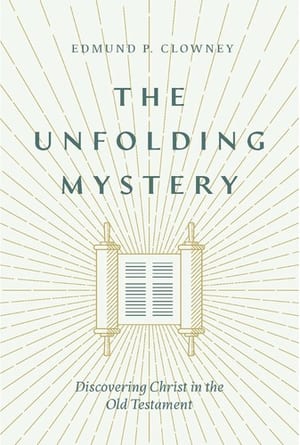
The Unfolding Mystery
Edmund P. Clowney
View on Amazon →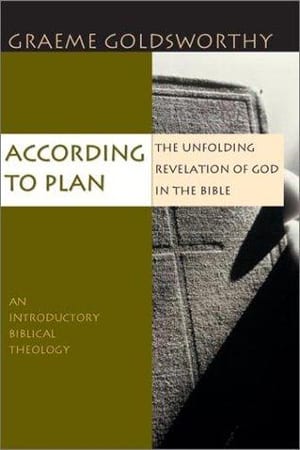
According to Plan
Graeme Goldsworthy
View on Amazon →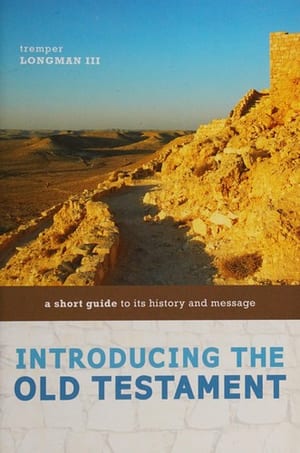
Introducing the Old Testament
Tremper Longman III
View on Amazon →
God's Big Picture
Vaughan Roberts
View on Amazon →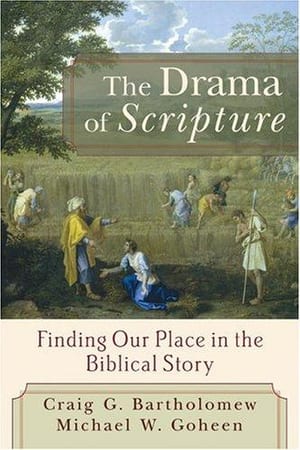
The Drama of Scripture
Bartholomew & Goheen
View on Amazon →As an Amazon Associate we earn from qualifying purchases.
Pronunciation Video
Watch on YouTube →Historical Context
Jephthah: A Judge with a Tragic Vow
Jephthah (DZHEHF-thuh) derives from the Hebrew Yiftaḥ, meaning "he opens" or "God opens." The name carries theological weight—it suggests divine opening or revelation, though Jephthah's story becomes far more complex than his name alone suggests.
Who Was Jephthah?
Jephthah was the ninth judge of Israel, leading the nation during a period of spiritual decline and external threat. His account appears in Judges 11–12, where he emerges as a military leader raised by his father Gilead but rejected by his half-brothers due to his illegitimate birth. Driven into exile, Jephthah became a warrior of renown, eventually recalled by his people to defend them against the Ammonites.
Pronouncing Jephthah Correctly
When learning how to pronounce Jephthah, remember the initial sound is a soft "dz" (as in "judge"), followed by "EHFF" and ending with "thuh." The Jephthah pronunciation guide matters because the name appears frequently in biblical study and teaching contexts. Getting Jephthah pronunciation right helps readers engage more confidently with this difficult biblical narrative.
The Vow That Changed Everything
Before battling the Ammonites, Jephthah made a rash vow to God: if granted victory, he would sacrifice whatever came out of his house to meet him. After his triumph, his only child—his daughter—came out to greet him. Unlike some interpretations, most scholars understand this as a literal human sacrifice, making Jephthah's story one of Scripture's most tragic and morally troubling accounts.
Why Jephthah Matters
Jephthah's narrative raises profound questions about faith, rashness, and divine justice. He's listed among the "heroes of faith" in Hebrews 11:32, yet his actions seem to contradict faithful obedience. His story reminds Bible readers that even flawed judges could accomplish God's purposes, and that vows made without wisdom carry devastating consequences. Understanding Jephthah's full account deepens our grasp of Israel's turbulent period and the complexity of biblical morality.
How to Read, Study & Pray

How to Read the Bible for All Its Worth
Gordon Fee & Douglas Stuart
View on Amazon →
Grasping God's Word
J. Scott Duvall & J. Daniel Hays
View on Amazon →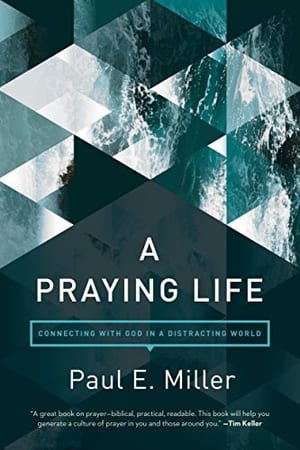
A Praying Life
Paul E. Miller
View on Amazon →
Women of the Word
Jen Wilkin
View on Amazon →
The Bible Recap
Tara-Leigh Cobble
View on Amazon →As an Amazon Associate we earn from qualifying purchases.