How to Pronounce
ZuphiteZUHF-ait
Hear the pronunciation of Zuphite
Click to play audio
Old Testament Reading

The Unfolding Mystery
Edmund P. Clowney
View on Amazon →
According to Plan
Graeme Goldsworthy
View on Amazon →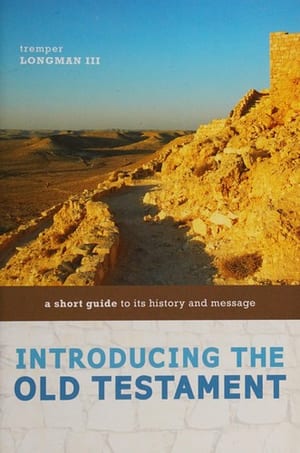
Introducing the Old Testament
Tremper Longman III
View on Amazon →
God's Big Picture
Vaughan Roberts
View on Amazon →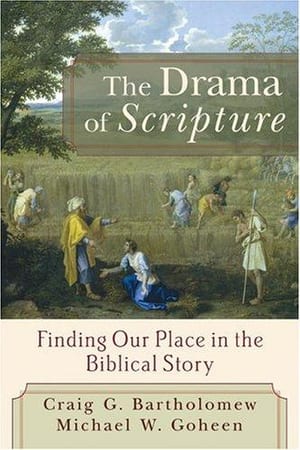
The Drama of Scripture
Bartholomew & Goheen
View on Amazon →As an Amazon Associate we earn from qualifying purchases.
Meaning
The word Zuphite (pronounced ZUHF-ait) refers to a descendant or member of the family line of Zuph, a relatively obscure figure in Old Testament genealogy. Understanding how to pronounce Zuphite correctly helps Bible readers navigate the genealogical sections of Scripture with confidence, particularly when studying the tribal divisions and family structures of ancient Israel.
Historical Context
Zuphite: The Pronunciation and Meaning
The word Zuphite (pronounced ZUHF-ait) refers to a descendant or member of the family line of Zuph, a relatively obscure figure in Old Testament genealogy. Understanding how to pronounce Zuphite correctly helps Bible readers navigate the genealogical sections of Scripture with confidence, particularly when studying the tribal divisions and family structures of ancient Israel.
Etymology and Original Language
Zuphite derives from the Hebrew name Zuph (צוּף), with the suffix -ite indicating "belonging to" or "descendant of." The root meaning of Zuph itself is uncertain, though some scholars suggest it may relate to a location or ancestral figure. In Hebrew genealogies, the -ite ending consistently identifies members of a particular clan or family group—similar to how we see "Levite," "Benjamite," or "Ephraimite" throughout biblical text.
Biblical Appearance and Significance
Zuphites appear in 1 Samuel 1:1, where Elkanah, the father of the prophet Samuel, is identified as a Zuphite from the hill country of Ephraim. This genealogical detail, though brief, establishes Samuel's family lineage and tribal connection. The mention of Zuphite here grounds Samuel's story in a specific ancestral and geographic context, reinforcing the importance of family heritage in biblical narrative.
The reference to Zuph also appears in 1 Samuel 9:5, where the "land of Zuph" is mentioned, suggesting this family maintained a recognized territorial association in Ephraim. Pronouncing Zuphite correctly matters when teaching or preaching from 1 Samuel, as it connects listeners to the authentic historical and genealogical framework of Israel's early monarchy.
Why This Matters for Bible Study
Accurate pronunciation of biblical names and titles like Zuphite demonstrates respect for the text's historical authenticity. For pastors and teachers, pronouncing Zuphite correctly signals careful preparation and helps congregations engage more deeply with Scripture's genealogical sections—often overlooked but essential to understanding Israel's tribal structure and the backgrounds of key biblical figures like Samuel himself.
How to Read, Study & Pray

How to Read the Bible for All Its Worth
Gordon Fee & Douglas Stuart
View on Amazon →
Grasping God's Word
J. Scott Duvall & J. Daniel Hays
View on Amazon →
A Praying Life
Paul E. Miller
View on Amazon →
Women of the Word
Jen Wilkin
View on Amazon →
The Bible Recap
Tara-Leigh Cobble
View on Amazon →As an Amazon Associate we earn from qualifying purchases.