How to Pronounce
Zechariaszeh-kuh-RAI-uhs
Hear the pronunciation of Zecharias
Click to play audio
New Testament Reading
Introducing Jesus
Mark L. Strauss
View on Amazon →
Basic Christianity
John Stott
View on Amazon →
The King Jesus Gospel
Scot McKnight
View on Amazon →
Reading the Gospels Wisely
Jonathan T. Pennington
View on Amazon →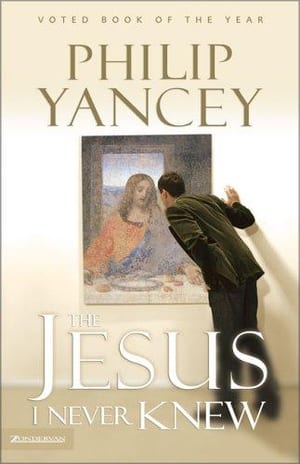
The Jesus I Never Knew
Philip Yancey
View on Amazon →As an Amazon Associate we earn from qualifying purchases.
Pronunciation Video
Watch on YouTube →Historical Context
Zecharias: The Priest Who Doubted and Believed
Zecharias (pronounced zeh-kuh-RAI-uhs) comes from the Hebrew name Zechariah, meaning "the Lord remembers" or "the Lord has remembered." The name combines two Hebrew elements: Zach (to remember) and Yah (the Lord). Understanding how to pronounce Zecharias correctly helps Bible readers engage more deeply with this significant New Testament figure.
Who Was Zecharias in Scripture?
Zecharias appears most prominently in Luke's Gospel as the father of John the Baptist. In Luke 1:5–80, he serves as a priest in the Jerusalem temple during the reign of King Herod. His wife, Elizabeth, was also of priestly descent, making their household exceptionally devout and well-connected in Jewish religious life.
The narrative of Zecharias is one of the Bible's most dramatic encounters with divine intervention. While serving in the temple, he received a visitation from the angel Gabriel, who announced that Elizabeth would conceive and bear a son—John, who would prepare the way for the Messiah. Zecharias's response reveals his humanity: he doubted the angel's message because both he and Elizabeth were advanced in years.
Why His Doubt Mattered
Zecharias's skepticism resulted in temporary muteness as a sign from God. Unable to speak for nine months, he witnessed the fulfillment of Gabriel's promise firsthand. When his son was born, Zecharias wrote the child's name on a tablet, and his speech was restored immediately. His silence transformed into profound faith and prophetic utterance—the beautiful prayer known as the Benedictus (Luke 1:68–79).
For modern Bible readers, pronouncing Zecharias correctly opens the door to appreciating this character's spiritual journey. His story illustrates how God works through human doubt, transforming skepticism into unshakeable faith. Zecharias represents countless believers who struggle with belief yet ultimately witness God's faithfulness. His role as John the Baptist's father also positions him at the threshold of New Testament history, making him essential to understanding Jesus's forerunner.
How to Read, Study & Pray
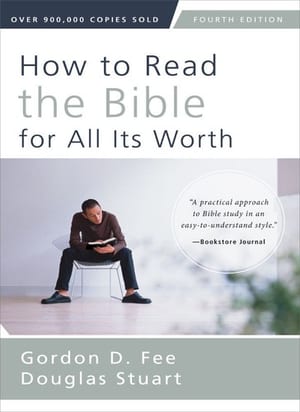
How to Read the Bible for All Its Worth
Gordon Fee & Douglas Stuart
View on Amazon →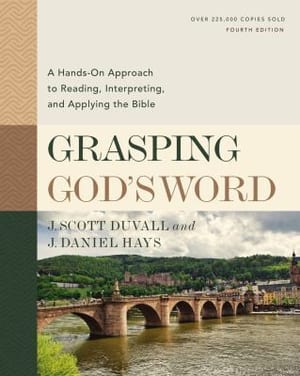
Grasping God's Word
J. Scott Duvall & J. Daniel Hays
View on Amazon →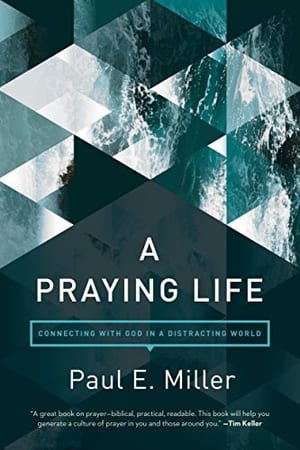
A Praying Life
Paul E. Miller
View on Amazon →
Women of the Word
Jen Wilkin
View on Amazon →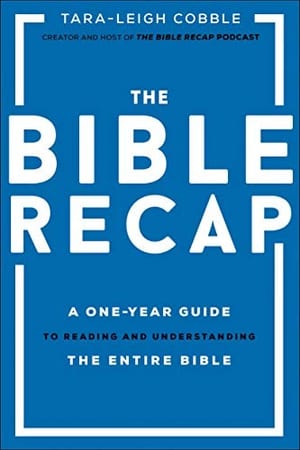
The Bible Recap
Tara-Leigh Cobble
View on Amazon →As an Amazon Associate we earn from qualifying purchases.