How to Pronounce
Zechariahzeh-kuh-RAI-uh
Hear the pronunciation of Zechariah
Click to play audio
Commentaries on This Book
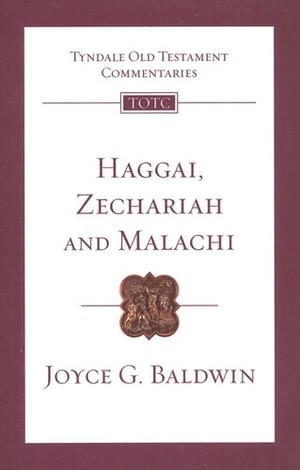
Haggai, Zechariah and Malachi (Tyndale Old Testament Commentaries)
Joyce G. Baldwin
View on Amazon →
The Message of Zechariah: Your Kingdom Come
Barry G. Webb
View on Amazon →
Zechariah (Reformed Expository Commentary)
Richard D. Phillips
View on Amazon →As an Amazon Associate we earn from qualifying purchases.
Pronunciation Video
Watch on YouTube →Meaning
same as Zachariah, memory of the Lord
Historical Context
Zechariah: The Name That Means "Memory of the Lord"
The name Zechariah carries profound spiritual weight in biblical tradition. Derived from Hebrew roots zakar (to remember) and Yah (the Lord), Zechariah literally means "the Lord remembers" or "memory of the Lord." This etymology reflects a core theological conviction: God's faithfulness and His active remembrance of His people's covenant promises.
How to Pronounce Zechariah Correctly
For those learning how to pronounce Zechariah, the standard phonetic breakdown is zeh-kuh-RAI-uh. The emphasis falls on the third syllable (RAI), with each vowel sound pronounced distinctly. Pronouncing Zechariah correctly helps Bible students engage more confidently with sermons, Bible studies, and scriptural discussions.
Biblical Significance and Scripture References
Zechariah appears multiple times throughout Scripture, most notably as the name of the author of the Book of Zechariah in the Old Testament. This Zechariah was a post-exilic prophet who, alongside Haggai, encouraged the Jewish people to rebuild the temple around 520 BCE. His prophecies are rich with apocalyptic imagery and messianic hope, making the book essential reading for understanding biblical eschatology.
The name also belongs to other biblical figures: a priest and father of John the Baptist (Luke 1:5–25), and various other leaders and priests throughout Israel's history. Each bearer of the name embodied its meaning in different ways—serving as God's instrument while trusting in His remembrance.
Why This Name Matters for Bible Readers
Understanding the Zechariah pronunciation and meaning enriches your grasp of biblical theology. When you encounter this name in Scripture, you're reminded of a fundamental promise: God does not forget His people. Whether studying the prophet's visions of future restoration or reading about John the Baptist's father, the name itself becomes a theological statement about divine memory and faithfulness.
For pastors and Bible teachers, mastering the correct Zechariah pronunciation demonstrates scholarly care and helps congregations connect more deeply with the text's historical and spiritual dimensions.
How to Read, Study & Pray

How to Read the Bible for All Its Worth
Gordon Fee & Douglas Stuart
View on Amazon →
Grasping God's Word
J. Scott Duvall & J. Daniel Hays
View on Amazon →
A Praying Life
Paul E. Miller
View on Amazon →
Women of the Word
Jen Wilkin
View on Amazon →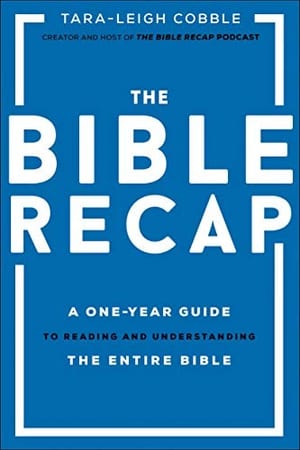
The Bible Recap
Tara-Leigh Cobble
View on Amazon →As an Amazon Associate we earn from qualifying purchases.