How to Pronounce
ZoarZO-er
Hear the pronunciation of Zoar
Click to play audio
Recommended Reading

How to Read the Bible for All Its Worth
Gordon Fee & Douglas Stuart
View on Amazon →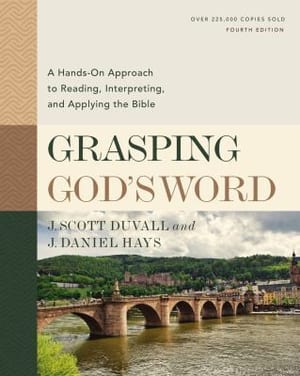
Grasping God's Word
J. Scott Duvall & J. Daniel Hays
View on Amazon →
A Praying Life
Paul E. Miller
View on Amazon →
Women of the Word
Jen Wilkin
View on Amazon →
The Bible Recap
Tara-Leigh Cobble
View on Amazon →As an Amazon Associate we earn from qualifying purchases.
Meaning
little; small
Historical Context
Zoar: Pronunciation and Biblical Significance
Zoar pronunciation follows a simple two-syllable pattern: ZO-er. The name comes from Hebrew tso'ar, meaning "little" or "small." Understanding how to pronounce Zoar correctly helps Bible readers grasp both the historical geography and theological weight of this ancient city.
Etymology and Original Meaning
The Hebrew root behind Zoar emphasizes smallness or insignificance. Ancient scribes chose this name deliberately—it reflects the city's modest size compared to neighboring settlements in the Jordan Valley. Pronouncing Zoar accurately requires recognizing that the name itself carries semantic meaning; it isn't merely a label but a descriptor embedded in the language itself.
Where Zoar Appears in Scripture
Zoar appears most prominently in the account of Lot's escape from Sodom and Gomorrah (Genesis 19). When the angels urged Lot to flee the doomed cities, they specifically mentioned Zoar as a place of refuge. Genesis 19:20–22 records Lot's plea: "Behold now, this city is near to flee unto, and it is a little one: Oh, let me escape thither." That "little one" is Zoar—the only city in the plain spared from destruction. The name choice becomes theologically rich: Lot's salvation came through fleeing to something small, something seemingly insignificant.
Why This Matters for Bible Study
Recognizing Zoar's meaning deepens your understanding of the narrative. When Genesis describes it as "little," the original Hebrew word choice wasn't casual. Lot sought safety in littleness, and God granted it. The city also appears later in biblical geography (Deuteronomy 34:3; Isaiah 15:5; Jeremiah 48:34), always marking the southern boundary of the Jordan Valley.
For pastors and teachers, pronouncing Zoar correctly while explaining its etymological root helps students see that biblical names functioned as miniature sermons. They communicated meaning. Zoar reminds us that God's protection sometimes comes through small, unexpected means—a powerful message wrapped in a two-syllable word.
How to Read, Study & Pray
How to Read the Bible for All Its Worth
Gordon Fee & Douglas Stuart
View on Amazon →Grasping God's Word
J. Scott Duvall & J. Daniel Hays
View on Amazon →A Praying Life
Paul E. Miller
View on Amazon →Women of the Word
Jen Wilkin
View on Amazon →The Bible Recap
Tara-Leigh Cobble
View on Amazon →As an Amazon Associate we earn from qualifying purchases.