How to Pronounce
Zeuszyoos
Hear the pronunciation of Zeus
Click to play audio
New Testament Reading
Introducing Jesus
Mark L. Strauss
View on Amazon →
Basic Christianity
John Stott
View on Amazon →
The King Jesus Gospel
Scot McKnight
View on Amazon →
Reading the Gospels Wisely
Jonathan T. Pennington
View on Amazon →
The Jesus I Never Knew
Philip Yancey
View on Amazon →As an Amazon Associate we earn from qualifying purchases.
Pronunciation Video
Watch on YouTube →Historical Context
Zeus: Pronouncing the Greek God's Name in Scripture
When you encounter Zeus in English Bible translations, you're reading a direct transliteration of the Greek name Ζεύς. The correct Zeus pronunciation is ZYOOS — a single syllable with a long "oo" sound, rhyming with "news" or "choose." Understanding how to pronounce Zeus correctly matters because this name appears in the New Testament as a reminder of first-century pagan religion.
Etymology and Meaning
The name Zeus derives from Indo-European roots meaning "sky" or "shine," reflecting his role as the king of the Greek gods and god of the sky and thunder. In ancient Greek religion, Zeus held supreme authority over all other deities and mortals alike. When pronouncing Zeus correctly in a biblical context, you're speaking the name of the most powerful figure in Greco-Roman paganism that early Christians encountered.
Where Zeus Appears in Scripture
Zeus appears in the New Testament primarily in Acts 14:12-13, where Paul and Barnabas are mistaken for gods in Lystra. The local people call Barnabas "Zeus" because of his commanding appearance. The passage reads that the priest of Zeus brought oxen to sacrifice to them, demonstrating how deeply Zeus worship was embedded in Gentile communities.
The name also appears in Acts 19:35, where the town clerk of Ephesus references "the image which fell down from Zeus," referring to a sacred stone believed to have fallen from heaven.
Why This Matters for Bible Readers
For pastors and Bible teachers, pronouncing Zeus accurately helps convey the cultural and spiritual reality that early Christians faced. These passages illustrate how pagan worship systems directly conflicted with Christian proclamation. When you're teaching or preaching these texts, Zeus pronunciation done correctly emphasizes the historical authenticity of Luke's narrative and the bold claims Paul made in pagan territory.
Knowing that zyoos was the name invoked in temples and sacrifices helps modern readers grasp the radical nature of early Christian witness in a thoroughly pagan world.
How to Read, Study & Pray

How to Read the Bible for All Its Worth
Gordon Fee & Douglas Stuart
View on Amazon →
Grasping God's Word
J. Scott Duvall & J. Daniel Hays
View on Amazon →
A Praying Life
Paul E. Miller
View on Amazon →
Women of the Word
Jen Wilkin
View on Amazon →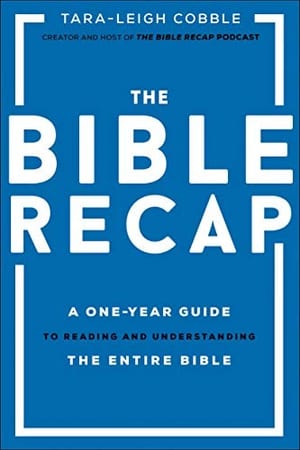
The Bible Recap
Tara-Leigh Cobble
View on Amazon →As an Amazon Associate we earn from qualifying purchases.