How to Pronounce
Zelophehadzehl-AHF-eh-hehd
Hear the pronunciation of Zelophehad
Click to play audio
Old Testament Reading

The Unfolding Mystery
Edmund P. Clowney
View on Amazon →
According to Plan
Graeme Goldsworthy
View on Amazon →
Introducing the Old Testament
Tremper Longman III
View on Amazon →
God's Big Picture
Vaughan Roberts
View on Amazon →
The Drama of Scripture
Bartholomew & Goheen
View on Amazon →As an Amazon Associate we earn from qualifying purchases.
Pronunciation Video
Watch on YouTube →Meaning
the shade or tingling of fear
Historical Context
Zelophehad: A Name Rooted in Fear and Shadow
The name Zelophehad carries a fascinating linguistic history that reflects the ancient Hebrew understanding of human emotion and spiritual experience. Breaking down how to pronounce Zelophehad correctly—zehl-AHF-eh-hehd—requires understanding its etymological roots in the Hebrew language, where the name combines elements suggesting "shade" or the trembling sensation of fear itself.
Etymology and Meaning
Zelophehad's etymology points to the Hebrew concept of tzela (shadow or shade) and elements related to emotional disturbance. The name essentially captures that peculiar moment when fear creates a physical response—a tingling or shading of consciousness that comes with dread. This naming convention was typical in ancient Israel, where personal names often encoded spiritual or emotional truths about a person's nature or circumstances at birth.
Biblical Significance and Scripture
Zelophehad appears in the book of Numbers, where he is mentioned as a man from the tribe of Manasseh. His story becomes significant not through his own deeds, but through his daughters—Mahlah, Noah, Hoglah, Milcah, and Tirzah. When Zelophehad died without sons, his daughters petitioned Moses for the right to inherit their father's land (Numbers 27:1-11). This legal precedent became foundational in Hebrew inheritance law and established crucial rights for women in Israelite society.
Why Pronouncing Zelophehad Correctly Matters
For pastors, teachers, and serious Bible students, pronouncing Zelophehad correctly ensures proper communication when discussing this pivotal moment in biblical law. When you're pronouncing Zelophehad in a teaching context, you're invoking not just a name, but a story about justice, gender rights, and divine responsiveness to human petition.
The account of Zelophehad's daughters demonstrates how the Lord adapted legal structures to address genuine injustice. Their successful appeal shows that biblical law remained dynamic and responsive to legitimate claims—a lesson that resonates across generations of faithful Bible study.
How to Read, Study & Pray

How to Read the Bible for All Its Worth
Gordon Fee & Douglas Stuart
View on Amazon →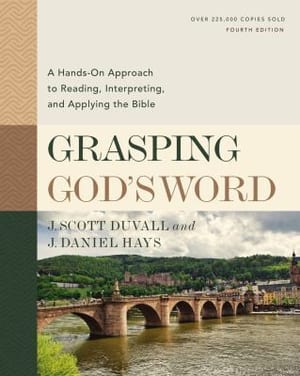
Grasping God's Word
J. Scott Duvall & J. Daniel Hays
View on Amazon →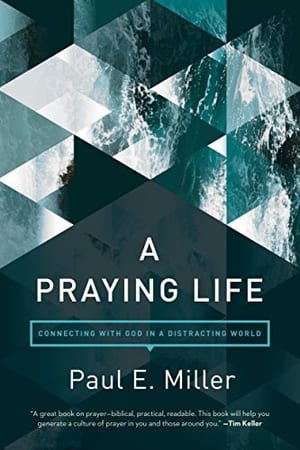
A Praying Life
Paul E. Miller
View on Amazon →
Women of the Word
Jen Wilkin
View on Amazon →
The Bible Recap
Tara-Leigh Cobble
View on Amazon →As an Amazon Associate we earn from qualifying purchases.