How to Pronounce
TishbiteTIHSH-bait
Hear the pronunciation of Tishbite
Click to play audio
Old Testament Reading
The Unfolding Mystery
Edmund P. Clowney
View on Amazon →
According to Plan
Graeme Goldsworthy
View on Amazon →
Introducing the Old Testament
Tremper Longman III
View on Amazon →
God's Big Picture
Vaughan Roberts
View on Amazon →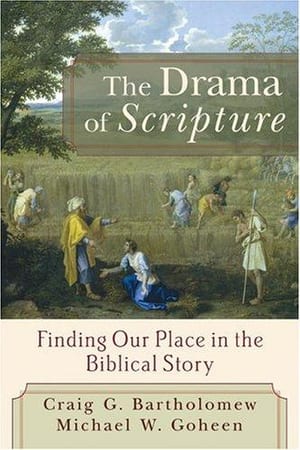
The Drama of Scripture
Bartholomew & Goheen
View on Amazon →As an Amazon Associate we earn from qualifying purchases.
Pronunciation Video
Watch on YouTube →Meaning
that makes captive
Historical Context
Tishbite: Origin and Meaning
The word Tishbite appears in Scripture as a geographical designation rather than a personal name, though it became closely associated with one of Israel's most significant prophets. The term derives from Tishbe (also spelled Tishbeh), a town in Gilead east of the Jordan River. The suffix "-ite" indicates someone who comes from or belongs to that place, similar to how we might say "Nazarene" or "Judahite."
The Hebrew meaning carries the sense of "that makes captive" or "that captures," reflecting the rugged, elevated terrain of the Gilead region where Tishbe was located. However, the geographical connection is far more significant than the etymological wordplay in biblical usage.
Biblical Significance and Primary Reference
When you encounter Tishbite in Scripture, you're reading about the prophet Elijah. First Kings 17:1 introduces him as "Elijah the Tishbite," establishing his origin immediately. This designation appears multiple times throughout 1 and 2 Kings, anchoring the reader to Elijah's identity as a man from Gilead—a region known for producing hardy, wilderness-dwelling prophets.
Understanding how to pronounce Tishbite correctly—TIHSH-bait—helps when reading aloud or teaching Scripture. Pronouncing Tishbite correctly matters for public Bible reading and helps listeners connect this geographical marker with Elijah's dramatic ministry.
Why This Matters for Bible Study
The Tishbite pronunciation and meaning reveal something deeper about biblical narrative. Elijah's origin in Gilead, emphasized through his designation as "the Tishbite," underscores his role as an outsider-prophet called to challenge the corrupt northern kingdom of Israel. His harsh, uncompromising ministry—including his confrontations with King Ahab and the prophets of Baal—fits the rugged character of a man from the Gilead wilderness.
For pastors and teachers, recognizing this geographical label adds texture to Elijah's narrative. It's not merely a title; it's a reminder that God often called prophets from unexpected, remote places to deliver His most powerful messages. When you're studying or teaching Elijah's story, remembering that he was the Tishbite—a man from the capturing heights of Gilead—enriches your understanding of his prophetic authority and unshakeable faith.
How to Read, Study & Pray

How to Read the Bible for All Its Worth
Gordon Fee & Douglas Stuart
View on Amazon →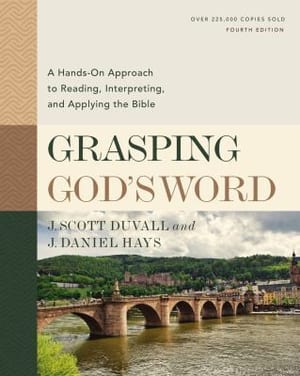
Grasping God's Word
J. Scott Duvall & J. Daniel Hays
View on Amazon →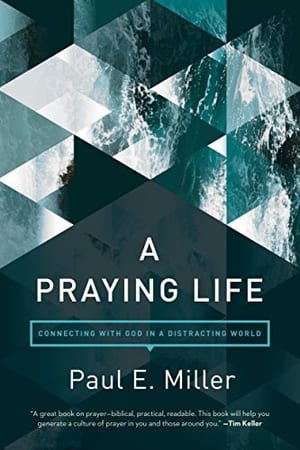
A Praying Life
Paul E. Miller
View on Amazon →
Women of the Word
Jen Wilkin
View on Amazon →
The Bible Recap
Tara-Leigh Cobble
View on Amazon →As an Amazon Associate we earn from qualifying purchases.