
How to Pronounce
TabeelTAY-bee-ehl
Hear the pronunciation of Tabeel
Click to play audio
Old Testament Reading

The Unfolding Mystery
Edmund P. Clowney
View on Amazon →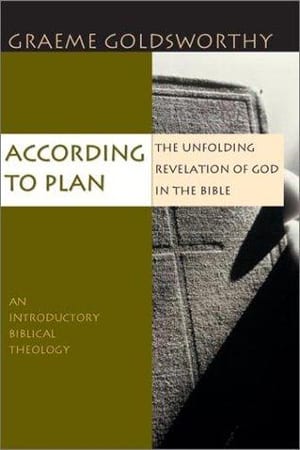
According to Plan
Graeme Goldsworthy
View on Amazon →
Introducing the Old Testament
Tremper Longman III
View on Amazon →
God's Big Picture
Vaughan Roberts
View on Amazon →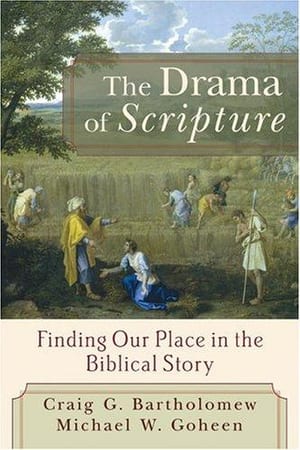
The Drama of Scripture
Bartholomew & Goheen
View on Amazon →As an Amazon Associate we earn from qualifying purchases.
Pronunciation Video
Watch on YouTube →Historical Context
Tabeel: A Name from Ancient Politics
The name Tabeel appears only once in Scripture, yet it carries significant historical and political weight. Pronouncing Tabeel correctly—TAY-bee-ehl—helps Bible readers engage more fully with one of the Old Testament's most pivotal moments of international tension.
Etymology and Original Language
Tabeel derives from Aramaic roots, likely meaning "God is good" or "pleasing to God." The name reflects the linguistic landscape of the ancient Near East, where Aramaic was the lingua franca of diplomacy and trade. Understanding the Tabeel pronunciation alongside its Aramaic origins illuminates how biblical names often carried theological or aspirational meanings that revealed something about their bearers' identities or hopes.
Biblical Reference and Historical Context
Tabeel appears in Isaiah 7:6, mentioned during the Syro-Ephraimite War (circa 735 BCE). The prophet Isaiah references a plot by the northern kingdom of Israel and Syria to place Tabeel, described as the "son of Tabeel," on the throne of Judah in place of King Ahaz. This figure was apparently a non-Davidic outsider whom the coalition hoped to install as a puppet king.
Why Tabeel Matters for Bible Readers
Though Tabeel himself never actually became king, his mention in Isaiah's prophecy reveals crucial details about ancient Near Eastern politics and God's providential protection of the Davidic line. The failed conspiracy to replace Judah's rightful king demonstrates how secular powers attempted to manipulate Israel's monarchy—yet these plans collapsed, confirming Isaiah's assurance to King Ahaz that God would preserve His covenant promises.
For pastors and Bible students, learning how to pronounce Tabeel correctly helps when teaching Isaiah 7 and discussing the broader context of Judah's precarious position between imperial superpowers. Pronouncing Tabeel accurately also honors the historical specificity of Scripture, reminding us that the Bible records real political events and real people, even obscure figures mentioned only in passing.
How to Read, Study & Pray

How to Read the Bible for All Its Worth
Gordon Fee & Douglas Stuart
View on Amazon →
Grasping God's Word
J. Scott Duvall & J. Daniel Hays
View on Amazon →
A Praying Life
Paul E. Miller
View on Amazon →
Women of the Word
Jen Wilkin
View on Amazon →
The Bible Recap
Tara-Leigh Cobble
View on Amazon →As an Amazon Associate we earn from qualifying purchases.
