
How to Pronounce
TalithaTAL-ih-thuh-KOOM
Hear the pronunciation of Talitha
Click to play audio
New Testament Reading
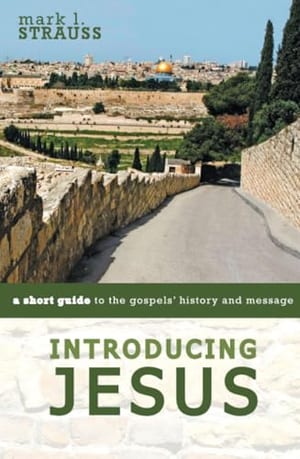
Introducing Jesus
Mark L. Strauss
View on Amazon →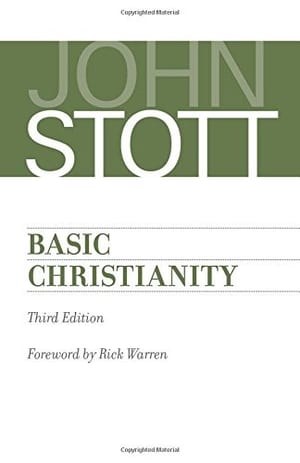
Basic Christianity
John Stott
View on Amazon →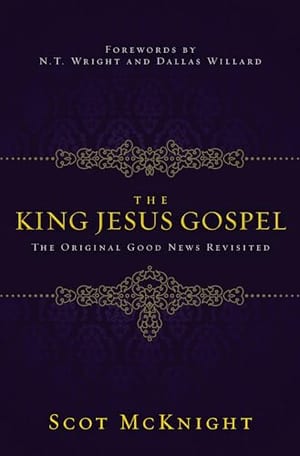
The King Jesus Gospel
Scot McKnight
View on Amazon →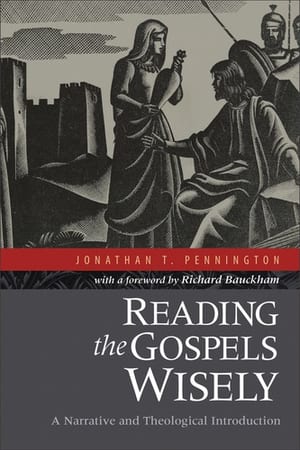
Reading the Gospels Wisely
Jonathan T. Pennington
View on Amazon →
The Jesus I Never Knew
Philip Yancey
View on Amazon →As an Amazon Associate we earn from qualifying purchases.
Pronunciation Video
Watch on YouTube →Historical Context
Talitha Koum: The Aramaic Command That Raised the Dead
When Jesus encountered the daughter of Jairus in Mark 5:41, He spoke words that have echoed through two thousand years of Christian tradition: "Talitha koum." Understanding how to pronounce Talitha correctly—TAL-ih-thuh-KOOM—opens a window into one of the most intimate and powerful moments in the Gospels.
Aramaic Origins and Meaning
Talitha koum is not Greek or Hebrew, but Aramaic, the everyday language Jesus spoke. The term breaks down simply: talitha means "little girl" or "maiden," while koum means "arise" or "get up." Pronounced as one phrase—TAL-ih-thuh-KOOM—it conveys both tenderness and command. Jesus didn't shout; He spoke to her as a father might speak to his own daughter, using her native tongue.
The fact that Mark preserves these exact Aramaic words in his Greek Gospel is significant. Early Christians treasured this phrase precisely because it came directly from Jesus' lips, untranslated and unfiltered.
The Biblical Account and Its Significance
The passage appears in Mark 5:35–43, where Jesus arrives at Jairus's home to find his twelve-year-old daughter dead. Mourners filled the house, but Jesus dismisses them, takes the child's hand, and speaks: "Talitha koum." Immediately, the girl rises and walks. It's a resurrection—a preview of the power Jesus would fully demonstrate after His own death and resurrection.
This miracle matters because it shows Jesus' authority over death itself, but also His compassion. Pronouncing Talitha correctly helps readers and listeners connect with the intimacy of the moment. It wasn't a distant incantation but a personal, loving command in the language of home.
Why This Matters for Bible Students
Knowing the Talitha pronunciation and understanding its Aramaic roots enriches Bible study. When you encounter these preserved Aramaic phrases—like "Abba" and "Golgotha"—you're touching the actual speech of Jesus. For preachers and teachers, pronouncing Talitha with confidence lends authenticity to storytelling and helps congregations feel the power of the original moment.
How to Read, Study & Pray

How to Read the Bible for All Its Worth
Gordon Fee & Douglas Stuart
View on Amazon →
Grasping God's Word
J. Scott Duvall & J. Daniel Hays
View on Amazon →
A Praying Life
Paul E. Miller
View on Amazon →
Women of the Word
Jen Wilkin
View on Amazon →
The Bible Recap
Tara-Leigh Cobble
View on Amazon →As an Amazon Associate we earn from qualifying purchases.
