How to Pronounce
TarsusTAHR-suhs
Hear the pronunciation of Tarsus
Click to play audio
New Testament Reading
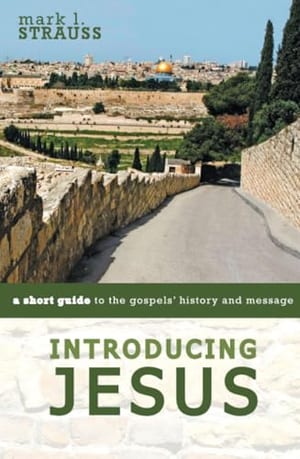
Introducing Jesus
Mark L. Strauss
View on Amazon →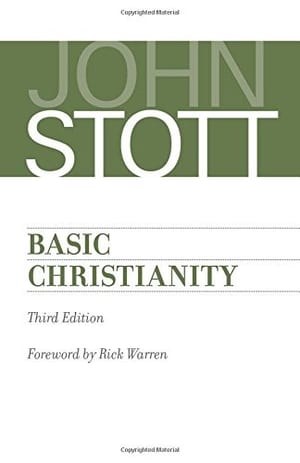
Basic Christianity
John Stott
View on Amazon →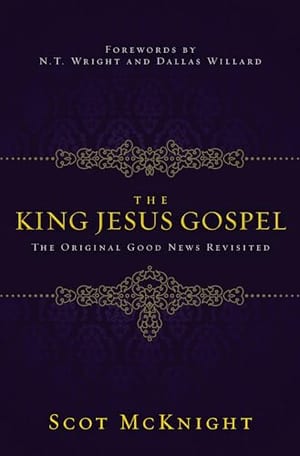
The King Jesus Gospel
Scot McKnight
View on Amazon →
Reading the Gospels Wisely
Jonathan T. Pennington
View on Amazon →
The Jesus I Never Knew
Philip Yancey
View on Amazon →As an Amazon Associate we earn from qualifying purchases.
Pronunciation Video
Watch on YouTube →Meaning
winged; feathered
Historical Context
Tarsus: Pronunciation and Biblical Significance
How to pronounce Tarsus correctly is straightforward once you break it into syllables: TAHR-suhs. The word carries an interesting etymology rooted in ancient Greek, where it originally meant "winged" or "feathered"—a meaning that may seem distant from its biblical use but reveals something about how ancient cities earned their names.
The Etymology Behind the Name
The Greek origin of Tarsus—meaning winged or feathered—likely referred to the city's swift-moving reputation or possibly its position as a hub where goods and people moved quickly through the region. Understanding the original meaning helps modern Bible readers appreciate the layers of cultural significance embedded in biblical geography.
Where Tarsus Appears in Scripture
Tarsus is most famous in the New Testament as the birthplace of the Apostle Paul. In Acts 9:11, after Paul's conversion on the Damascus road, the Lord directs Ananias to find Saul "in the house of Judas on Straight Street; for he is inquiring for a man of Tarsus named Saul." Later, in Acts 21:39, Paul himself identifies his hometown, saying, "I am a Jew, from Tarsus in Cilicia, a citizen of no insignificant city."
The city also appears in Acts 22:3, where Paul mentions being "brought up in this city at the feet of Gamaliel." This reference establishes that while Paul was born in Tarsus, he received his rabbinic training in Jerusalem.
Why This Matters for Bible Study
Pronouncing Tarsus correctly matters because it grounds us in the real geography of Paul's life. Tarsus was a major Hellenistic city in what is now southern Turkey, known for its education, culture, and commerce. Paul's background as a Tarsian citizen—not merely a provincial figure—shaped his unique perspective as an apostle who could navigate both Jewish and Greek worlds.
When you encounter Tarsus in your reading, remember that this city represented cosmopolitan sophistication in the ancient Mediterranean world. For Paul's original audience, mentioning his Tarsian origins carried weight and credibility.
How to Read, Study & Pray

How to Read the Bible for All Its Worth
Gordon Fee & Douglas Stuart
View on Amazon →
Grasping God's Word
J. Scott Duvall & J. Daniel Hays
View on Amazon →
A Praying Life
Paul E. Miller
View on Amazon →
Women of the Word
Jen Wilkin
View on Amazon →
The Bible Recap
Tara-Leigh Cobble
View on Amazon →As an Amazon Associate we earn from qualifying purchases.