
How to Pronounce
TetrarchTEHT-rahrk
Hear the pronunciation of Tetrarch
Click to play audio
New Testament Reading

Introducing Jesus
Mark L. Strauss
View on Amazon →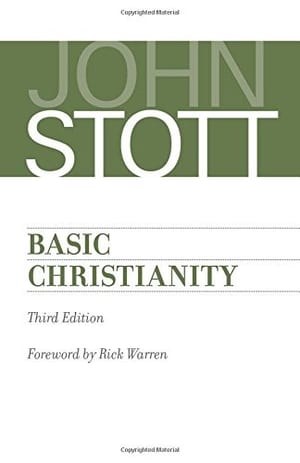
Basic Christianity
John Stott
View on Amazon →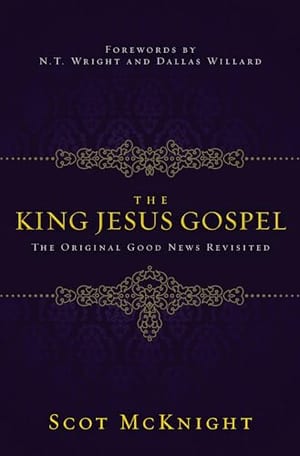
The King Jesus Gospel
Scot McKnight
View on Amazon →
Reading the Gospels Wisely
Jonathan T. Pennington
View on Amazon →
The Jesus I Never Knew
Philip Yancey
View on Amazon →As an Amazon Associate we earn from qualifying purchases.
Pronunciation Video
Watch on YouTube →Meaning
governor of a fourth part
Historical Context
Tetrarch: A Roman Provincial Ruler
The word tetrarch comes from the Greek tetrarches (τετράρχης), combining tetra (four) and arches (ruler). Literally, it means "ruler of a fourth part"—a provincial governor who controlled one quarter of a larger territory. Understanding how to pronounce Tetrarch correctly—TEHT-rahrk—helps Bible readers navigate New Testament passages about Herod's divided kingdom.
Historical Context in the Bible
After King Herod the Great died around 4 BCE, the Roman Emperor Augustus divided his kingdom among three of his sons. Each received a portion to govern, though the title and authority of tetrarch was technically below that of ethnarch or king. This political arrangement directly shaped the backdrop of Jesus's ministry and the early apostolic period.
Where Tetrarch Appears in Scripture
The term appears most prominently in the Gospels. Matthew 14:1 refers to Herod Antipas as "the tetrarch," identifying him as the ruler of Galilee and Perea. Luke uses the term similarly in Luke 3:1, where it mentions Herod as tetrarch of Galilee alongside Philip as tetrarch of Ituraea and Trachonitis. Pronouncing Tetrarch correctly becomes essential when reading these passages aloud in Bible study or worship settings.
Why This Matters for Bible Readers
Knowing what a tetrarch was helps clarify the political dynamics of first-century Palestine. When you read that Herod Antipas was a tetrarch rather than a king, you understand why he lacked certain powers and why he was ultimately answerable to Rome. This context enriches your understanding of John the Baptist's imprisonment and death (Matthew 14), where Herod's limited authority and personal rivalries intersect with biblical history.
The tetrarch system also explains why Jesus's trial involved multiple rulers and why Roman authority remained paramount. For pastors, teachers, and serious Bible students, Tetrarch pronunciation and its historical significance unlock deeper layers of Gospel narrative.
How to Read, Study & Pray

How to Read the Bible for All Its Worth
Gordon Fee & Douglas Stuart
View on Amazon →
Grasping God's Word
J. Scott Duvall & J. Daniel Hays
View on Amazon →
A Praying Life
Paul E. Miller
View on Amazon →
Women of the Word
Jen Wilkin
View on Amazon →
The Bible Recap
Tara-Leigh Cobble
View on Amazon →As an Amazon Associate we earn from qualifying purchases.
