
How to Pronounce
Rue (noun)ROO
Hear the pronunciation of Rue (noun)
Click to play audio
New Testament Reading
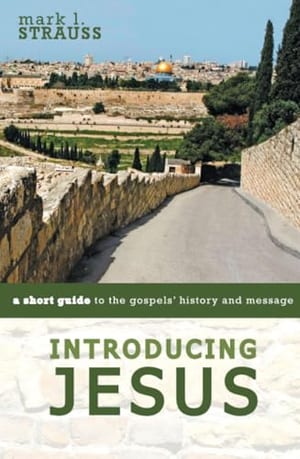
Introducing Jesus
Mark L. Strauss
View on Amazon →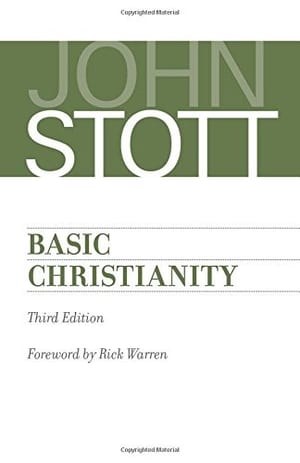
Basic Christianity
John Stott
View on Amazon →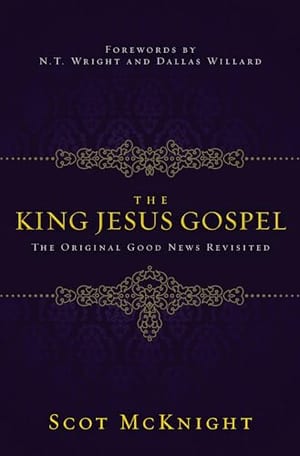
The King Jesus Gospel
Scot McKnight
View on Amazon →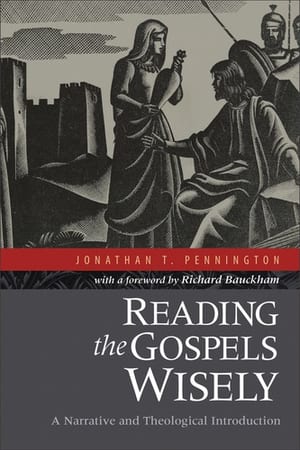
Reading the Gospels Wisely
Jonathan T. Pennington
View on Amazon →
The Jesus I Never Knew
Philip Yancey
View on Amazon →As an Amazon Associate we earn from qualifying purchases.
Pronunciation Video
Watch on YouTube →Meaning
The word rue appears in Scripture as a reference to a specific plant, and knowing how to pronounce Rue (noun) correctly—ROO—helps Bible readers grasp the sensory and practical details of biblical narratives. The term comes from Latin ruta, which itself derives from Greek rhytē, referring to the herb we know botanically as Ruta graveolens.
Historical Context
Rue (Noun): Pronunciation and Biblical Meaning
The word rue appears in Scripture as a reference to a specific plant, and knowing how to pronounce Rue (noun) correctly—ROO—helps Bible readers grasp the sensory and practical details of biblical narratives. The term comes from Latin ruta, which itself derives from Greek rhytē, referring to the herb we know botanically as Ruta graveolens.
What Was Biblical Rue?
Rue was an aromatic herb cultivated throughout the Mediterranean world and the Middle East in ancient times. It had a distinctive, somewhat bitter smell and taste, and was used medicinally, culinarily, and even ritually. The plant's leaves were small and feathery, and it produced tiny yellow flowers. For ancient peoples, rue served practical purposes: it was believed to aid digestion, ward off illness, and even repel insects.
Rue in Scripture
Rue appears in only two New Testament passages. In Luke 11:42, Jesus addresses the Pharisees, noting that they tithe mint, dill, and rue while neglecting justice and love of God. This reference shows that rue was valuable enough to be counted among titheable herbs—a detail that underscores its economic and household importance in first-century Jewish life. The passage also appears in the parallel account in Matthew 23:23, though Matthew mentions only mint and dill.
Why This Matters for Bible Study
Understanding rue's presence in these passages enriches our reading. When pronouncing Rue (noun) correctly and recognizing it as a cultivated garden herb, we see Jesus' critique in sharper focus: the Pharisees were meticulously careful about even minor agricultural products but careless about weightier moral obligations. The herb wasn't incidental—it was a symbol of their scrupulous legalism.
For pastors and teachers, explaining what rue actually was helps congregations visualize the scene and grasp the force of Jesus' rebuke. The specificity of botanical detail in Scripture often carries theological weight, and rue is no exception.
How to Read, Study & Pray

How to Read the Bible for All Its Worth
Gordon Fee & Douglas Stuart
View on Amazon →
Grasping God's Word
J. Scott Duvall & J. Daniel Hays
View on Amazon →
A Praying Life
Paul E. Miller
View on Amazon →
Women of the Word
Jen Wilkin
View on Amazon →
The Bible Recap
Tara-Leigh Cobble
View on Amazon →As an Amazon Associate we earn from qualifying purchases.
