
How to Pronounce
Rabbonira-BO-nai
Hear the pronunciation of Rabboni
Click to play audio
New Testament Reading

Introducing Jesus
Mark L. Strauss
View on Amazon →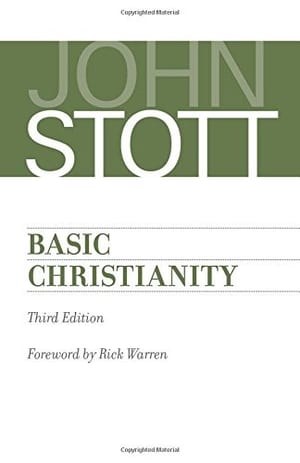
Basic Christianity
John Stott
View on Amazon →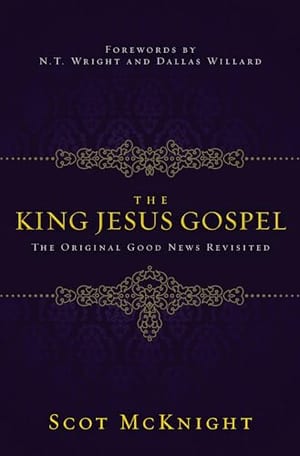
The King Jesus Gospel
Scot McKnight
View on Amazon →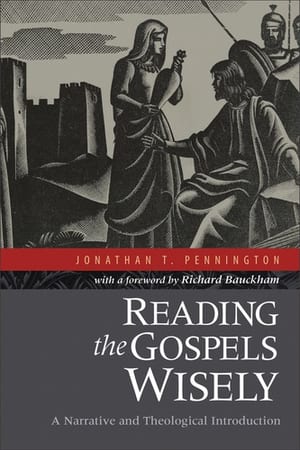
Reading the Gospels Wisely
Jonathan T. Pennington
View on Amazon →
The Jesus I Never Knew
Philip Yancey
View on Amazon →As an Amazon Associate we earn from qualifying purchases.
Pronunciation Video
Watch on YouTube →Historical Context
Rabboni: The Master's Title of Deepest Respect
When Mary Magdalene encountered the risen Jesus at the tomb, she didn't simply call him "Teacher." Instead, she cried out, "Rabboni!" (John 20:16). Understanding how to pronounce Rabboni correctly—ra-BO-nai—opens a window into the intensity of her recognition and the weight this Aramaic word carried in first-century Jewish culture.
Etymology and Original Meaning
Rabboni comes from Aramaic, derived from the root rabbi, meaning "my master" or "my teacher." The suffix -oni adds an emphatic, intensified quality—making Rabboni something like "my great Master" or "my Master" with heightened reverence. It's the superlative form, reserved for someone of exceptional authority and spiritual standing.
While rabbi was a common honorific for Jewish teachers, pronouncing Rabboni correctly matters because it signals something more intimate and exalted. It wasn't casual. It wasn't ordinary.
Where Rabboni Appears in Scripture
The word appears only twice in the New Testament, both times in John's Gospel. The most memorable instance is John 20:16, where the risen Jesus reveals himself to Mary Magdalene. Her response—calling him Rabboni—marks the pivotal moment of her recognition. The second occurrence is in Mark 10:51, where blind Bartimaeus addresses Jesus as Rabboni while begging for healing.
Why This Matters for Bible Readers
Pronouncing Rabboni correctly helps readers grasp the emotional and spiritual depth of these encounters. When Mary cries out "Rabboni!" she's not merely identifying her teacher—she's expressing absolute devotion and awe before her risen Lord. Similarly, Bartimaeus's use of the term underscores his faith and respect despite his physical blindness.
For pastors, teachers, and serious Bible students, knowing the Rabboni pronunciation and its superlative force enriches how you read these passages aloud and explain them to others. It's the difference between a simple greeting and a declaration of supreme allegiance. In both biblical contexts, speakers aren't just addressing Jesus; they're acknowledging his mastery over their lives.
How to Read, Study & Pray

How to Read the Bible for All Its Worth
Gordon Fee & Douglas Stuart
View on Amazon →
Grasping God's Word
J. Scott Duvall & J. Daniel Hays
View on Amazon →
A Praying Life
Paul E. Miller
View on Amazon →
Women of the Word
Jen Wilkin
View on Amazon →
The Bible Recap
Tara-Leigh Cobble
View on Amazon →As an Amazon Associate we earn from qualifying purchases.
