How to Pronounce
Raamsesray-AM-seez
Hear the pronunciation of Raamses
Click to play audio
Old Testament Reading
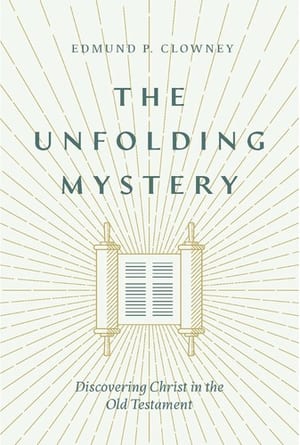
The Unfolding Mystery
Edmund P. Clowney
View on Amazon →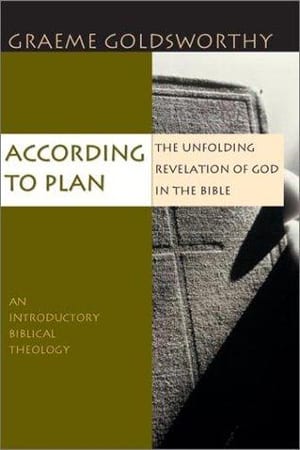
According to Plan
Graeme Goldsworthy
View on Amazon →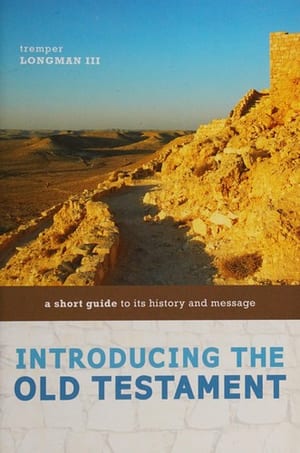
Introducing the Old Testament
Tremper Longman III
View on Amazon →
God's Big Picture
Vaughan Roberts
View on Amazon →
The Drama of Scripture
Bartholomew & Goheen
View on Amazon →As an Amazon Associate we earn from qualifying purchases.
Pronunciation Video
Watch on YouTube →Historical Context
Raamses: The Egyptian Royal City in Biblical History
Raamses (also spelled Rameses or Ramses) refers to a major Egyptian city built during the era of the pharaohs, and it holds significant weight in the biblical narrative of the Exodus. How to pronounce Raamses correctly requires understanding its Egyptian roots: the name derives from the Egyptian royal titulature Ra-messu, meaning "Ra has born him"—a reference to the sun god Ra and the pharaonic dynasty that bore this name. Pronouncing Raamses correctly as ray-AM-seez helps readers engage more deeply with the ancient Near Eastern context of Scripture.
Biblical Significance and Location
Raamses appears most prominently in the Book of Exodus, where it serves as a pivotal location in Israel's enslavement narrative. In Exodus 1:11, the text states that the Israelites "built for Pharaoh treasure cities, Pithom and Raamses." This city functioned as a royal storage center and administrative hub in the Nile Delta region, likely constructed under the reign of Ramesses II (circa 1279–1213 BCE).
The city appears again in Exodus 12:37, where the Israelites depart from Raamses during the Passover, marking their exodus from Egypt. This geographical detail anchors the Exodus account in a real historical setting, lending archaeological credibility to the biblical narrative.
Why This Matters for Bible Readers
Understanding Raamses pronunciation and its historical context enriches your reading of the Exodus account. The city represents not merely a biblical location, but a tangible connection between Scripture and Egyptian history. When you encounter references to Raamses in your Bible study, recognizing it as a major pharaonic construction project helps clarify why the Israelites were forced into hard labor—they were building monuments to Egyptian imperial power.
For pastors and Bible teachers, pronouncing Raamses with confidence during sermons or lessons demonstrates biblical literacy and helps congregants visualize the ancient world of Scripture. The mention of this specific city grounds the Exodus story in verifiable history, strengthening the narrative's authenticity for modern readers.
How to Read, Study & Pray

How to Read the Bible for All Its Worth
Gordon Fee & Douglas Stuart
View on Amazon →
Grasping God's Word
J. Scott Duvall & J. Daniel Hays
View on Amazon →
A Praying Life
Paul E. Miller
View on Amazon →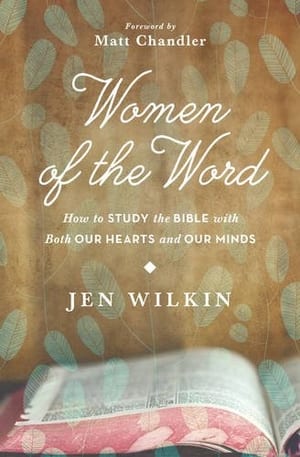
Women of the Word
Jen Wilkin
View on Amazon →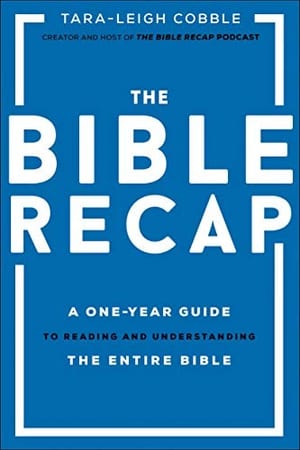
The Bible Recap
Tara-Leigh Cobble
View on Amazon →As an Amazon Associate we earn from qualifying purchases.