How to Pronounce
RabbahRAB-uh
Hear the pronunciation of Rabbah
Click to play audio
Old Testament Reading
The Unfolding Mystery
Edmund P. Clowney
View on Amazon →
According to Plan
Graeme Goldsworthy
View on Amazon →
Introducing the Old Testament
Tremper Longman III
View on Amazon →
God's Big Picture
Vaughan Roberts
View on Amazon →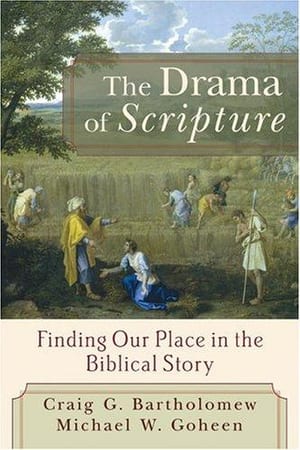
The Drama of Scripture
Bartholomew & Goheen
View on Amazon →As an Amazon Associate we earn from qualifying purchases.
Pronunciation Video
Watch on YouTube →Meaning
great; powerful; contentious
Historical Context
Rabbah: The Great City of the Ammonites
Rabbah (pronounced RAB-uh) comes from the Hebrew root rab, meaning "great" or "powerful." The name itself is a feminine form, essentially translating to "the great one" — a fitting designation for one of the ancient Near East's most significant cities. Understanding how to pronounce Rabbah correctly helps readers grasp both the geography and politics of biblical narratives involving Israel's eastern neighbors.
Biblical Location and Significance
Rabbah served as the capital of the Ammonite kingdom, located in what is now Amman, Jordan. The city appears throughout Israel's history as a point of conflict, tribute, and political tension. Its prominence made it a natural flashpoint between Israel and the Ammonites, who occupied the Transjordanian plateau.
Where Rabbah Appears in Scripture
The city is mentioned in several key passages. In Deuteronomy 3:11, Moses references Rabbah when describing Og of Bashan's iron bed. More significantly, 2 Samuel 11–12 features Rabbah prominently in the account of David's conquest of the city during his war with the Ammonites—the same narrative that includes David's sin with Bathsheba. The prophet Jeremiah also condemns Rabbah in Jeremiah 49:2–3, pronouncing judgment on the Ammonites.
Why Rabbah Matters for Bible Readers
Pronouncing Rabbah correctly matters because it anchors readers in the historical and geographical realities of ancient Israel. The city's name—meaning "great" or "powerful"—reflects its actual status as a fortified, wealthy urban center. This wasn't a minor settlement; it was a major regional power that warranted Israel's military campaigns and the prophets' attention.
The contentious relationship between Israel and Rabbah illustrates the broader tensions between Israelite expansion and neighboring kingdoms. For students studying David's reign or the prophetic books, understanding Rabbah's significance enriches comprehension of why these particular conflicts mattered theologically and politically in Israel's story.
How to Read, Study & Pray

How to Read the Bible for All Its Worth
Gordon Fee & Douglas Stuart
View on Amazon →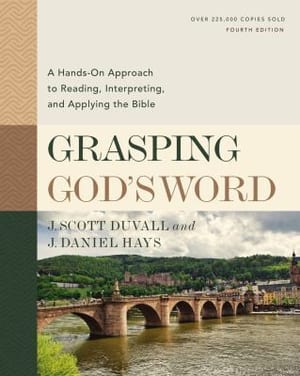
Grasping God's Word
J. Scott Duvall & J. Daniel Hays
View on Amazon →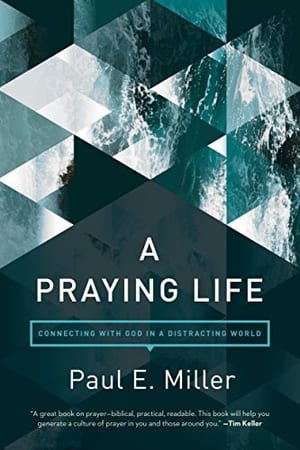
A Praying Life
Paul E. Miller
View on Amazon →
Women of the Word
Jen Wilkin
View on Amazon →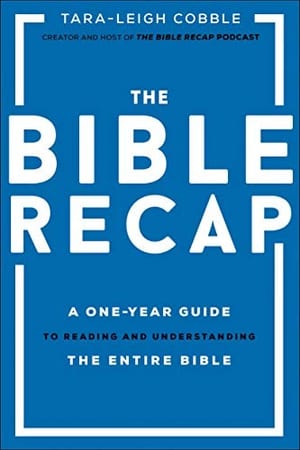
The Bible Recap
Tara-Leigh Cobble
View on Amazon →As an Amazon Associate we earn from qualifying purchases.