
How to Pronounce
RitualRIH-tshou-oul
Hear the pronunciation of Ritual
Click to play audio
New Testament Reading
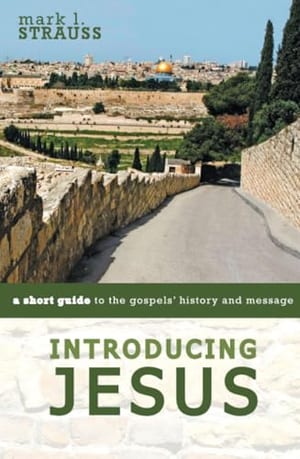
Introducing Jesus
Mark L. Strauss
View on Amazon →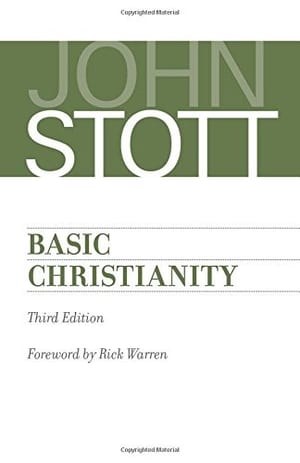
Basic Christianity
John Stott
View on Amazon →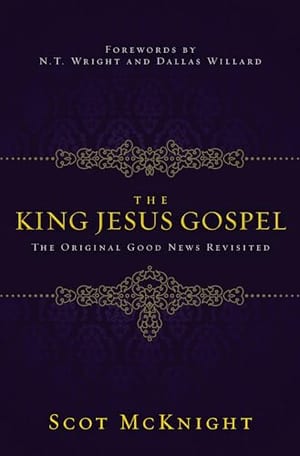
The King Jesus Gospel
Scot McKnight
View on Amazon →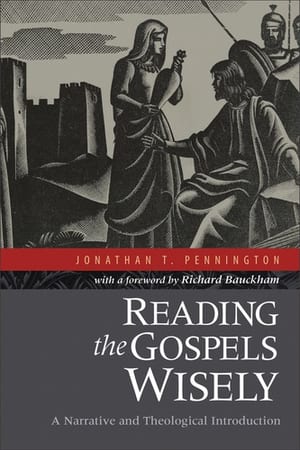
Reading the Gospels Wisely
Jonathan T. Pennington
View on Amazon →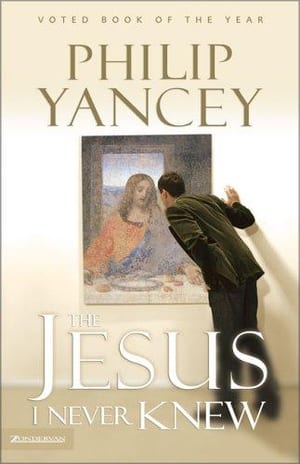
The Jesus I Never Knew
Philip Yancey
View on Amazon →As an Amazon Associate we earn from qualifying purchases.
Pronunciation Video
Watch on YouTube →Historical Context
Ritual: Understanding an Essential Biblical Practice
The word Ritual comes from the Latin ritualis, meaning "of or pertaining to rites." In biblical contexts, rituals refer to prescribed ceremonial acts performed according to religious law or custom. When learning how to pronounce Ritual correctly, remember the phonetic breakdown: RIH-tshou-oul—stress falls on the first syllable, with the second syllable flowing into a soft "oul" sound.
Original Language Roots
While the English word "ritual" derives from Latin, the Hebrew Bible uses terms like mitzvot (commandments) and chukim (statutes) to describe prescribed religious ceremonies. The Greek New Testament employs threskeia (religious observance) and ethos (custom). These terms capture the structured, repetitive nature of biblical worship practices. Pronouncing Ritual in theological discussions requires understanding these deeper linguistic foundations.
Biblical Significance and Examples
Rituals permeate Scripture from Genesis through Revelation. The most prominent include animal sacrifice (Leviticus 1–7), the Passover meal (Exodus 12), temple purification ceremonies (Leviticus 16), and Sabbath observance (Exodus 20:8–11). These weren't merely symbolic gestures—they were divinely ordained practices that communicated covenant relationship with God and maintained spiritual holiness.
Jesus himself participated in Jewish rituals, including circumcision (Luke 2:21) and Passover (Luke 22:7–20), though he frequently critiqued empty ritualism divorced from genuine devotion (Matthew 15:1–9). His crucifixion fundamentally transformed the meaning of sacrificial ritual in Christian theology.
Why Ritual Matters for Bible Readers
Understanding biblical rituals illuminates cultural context and theological meaning. When you encounter instructions about burnt offerings, wave offerings, or priestly garments, recognizing Ritual pronunciation and concept helps you grasp why these practices mattered to ancient Israel. For pastors and teachers, accurate pronouncing of Ritual-related terms demonstrates scholarly credibility when explaining Old Testament worship or discussing the transition from Mosaic law to Christian practice.
Rituals reveal God's concern for order, holiness, and community participation in worship—themes that resonate throughout Scripture and remain relevant to contemporary faith practice.
How to Read, Study & Pray

How to Read the Bible for All Its Worth
Gordon Fee & Douglas Stuart
View on Amazon →
Grasping God's Word
J. Scott Duvall & J. Daniel Hays
View on Amazon →
A Praying Life
Paul E. Miller
View on Amazon →
Women of the Word
Jen Wilkin
View on Amazon →
The Bible Recap
Tara-Leigh Cobble
View on Amazon →As an Amazon Associate we earn from qualifying purchases.
