How to Pronounce
Revelationreh-veh-LAY-shuhn
Hear the pronunciation of Revelation
Click to play audio
Commentaries on This Book
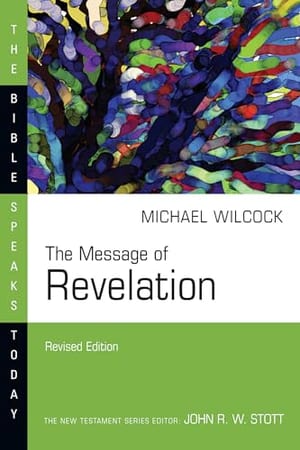
The Message of Revelation
Michael Wilcock
View on Amazon →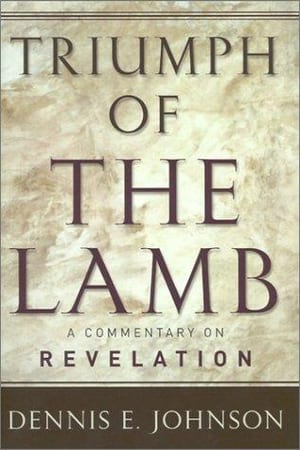
Triumph of the Lamb: A Commentary on Revelation
Dennis E. Johnson
View on Amazon →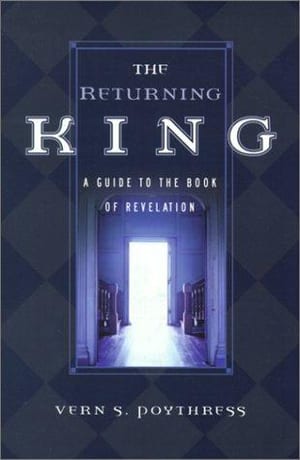
The Returning King: A Guide to the Book of Revelation
Vern S. Poythress
View on Amazon →As an Amazon Associate we earn from qualifying purchases.
Pronunciation Video
Watch on YouTube →Historical Context
Revelation: Unveiling God's Hidden Truth
The word Revelation comes from the Latin revelatio, meaning "an unveiling" or "disclosure." But to understand this term fully, we need to look at its Greek roots. In the New Testament, the Greek word apokalypsis (ἀποκάλυψις) underlies the English "Revelation." It literally combines apo (away, off) and kalypsis (to hide or conceal)—so it means "to remove the cover" or "to make known what was hidden."
Biblical Significance and Usage
The most famous appearance of this concept is the Book of Revelation itself (Revelation 1:1), where John writes, "The Revelation of Jesus Christ, which God gave unto him, to shew unto his servants things which must shortly come to pass." Here, how to pronounce Revelation correctly—reh-veh-LAY-shuhn—matters when you're reading aloud in church or Bible study. The stress falls on the third syllable, with a soft "shun" ending.
Paul also uses apokalypsis throughout his epistles, particularly when discussing spiritual truths previously concealed. In 1 Corinthians 14:26 and Galatians 1:12, Paul speaks of revelations received directly from God. These passages show that pronouncing Revelation correctly helps readers recognize this recurring biblical theme of divine disclosure.
Why This Word Matters
Understanding Revelation pronunciation is more than phonetic accuracy—it's about grasping a foundational biblical concept. The idea of revelation shapes how we read Scripture. God is constantly revealing His nature, will, and plans to humanity. From Abraham's covenant to the prophets' visions to Christ's incarnation, revelation is the mechanism through which God communicates transcendent truth to finite beings.
When you encounter this word in your Bible reading, you're encountering a promise: that God actively pulls back the curtain between the divine and human realms. Whether studying apocalyptic literature or Paul's theological letters, recognizing the weight of this term deepens comprehension. For pastors and teachers, pronouncing Revelation correctly models respect for the original language and invites your audience to consider what God is unveiling through Scripture.
How to Read, Study & Pray

How to Read the Bible for All Its Worth
Gordon Fee & Douglas Stuart
View on Amazon →
Grasping God's Word
J. Scott Duvall & J. Daniel Hays
View on Amazon →
A Praying Life
Paul E. Miller
View on Amazon →
Women of the Word
Jen Wilkin
View on Amazon →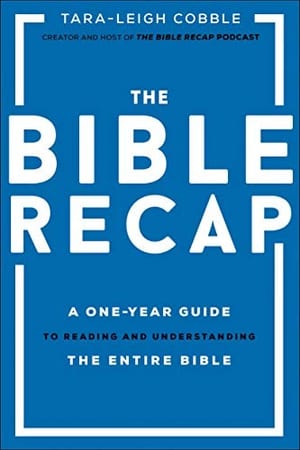
The Bible Recap
Tara-Leigh Cobble
View on Amazon →As an Amazon Associate we earn from qualifying purchases.