How to Pronounce
Rebekahree-BEHK-uh
Hear the pronunciation of Rebekah
Click to play audio
Old Testament Reading
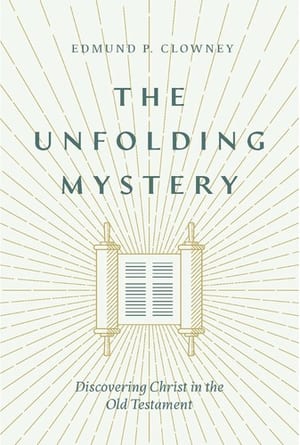
The Unfolding Mystery
Edmund P. Clowney
View on Amazon →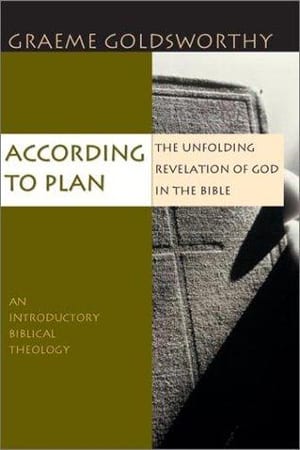
According to Plan
Graeme Goldsworthy
View on Amazon →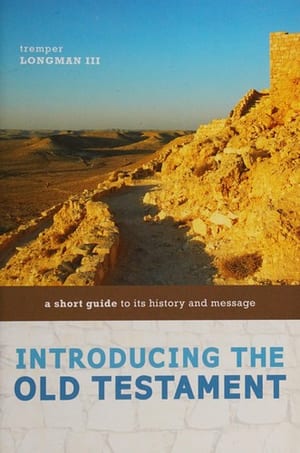
Introducing the Old Testament
Tremper Longman III
View on Amazon →
God's Big Picture
Vaughan Roberts
View on Amazon →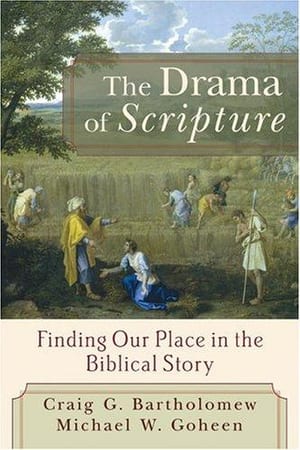
The Drama of Scripture
Bartholomew & Goheen
View on Amazon →As an Amazon Associate we earn from qualifying purchases.
Pronunciation Video
Watch on YouTube →Meaning
fat; fattened; a quarrel appeased
Historical Context
Rebekah: A Name of Binding and Devotion
Rebekah comes from the Hebrew root rbq (ravaq), which carries the primary meaning "to bind" or "to tie." The name itself carries connotations of being "fattened" or "well-nourished," suggesting abundance and care. Understanding how to pronounce Rebekah correctly—ree-BEHK-uh—helps Bible readers engage more meaningfully with one of Scripture's most compelling matriarchs.
Where Rebekah Appears in Scripture
Rebekah enters the biblical narrative in Genesis 24, where Abraham's servant journeys to Mesopotamia to find a wife for Isaac. Her introduction is striking: she's described as beautiful, a virgin, and extraordinarily hospitable—drawing water not only for the servant but for all his camels. This act of generosity foreshadows her role as a mother of nations.
The story of Rebekah's betrothal and marriage unfolds across Genesis 24–27, where she becomes Isaac's wife and mother to the twins Esau and Jacob. Her most pivotal moment comes in Genesis 27, when she orchestrates Jacob's deception to secure the patriarchal blessing intended for Esau. This decision—born from her preference for Jacob and her faith in God's earlier promise that "the older will serve the younger" (Genesis 25:23)—shapes the entire trajectory of Israel's history.
Why Pronouncing Rebekah Correctly Matters
For Bible teachers and students, pronouncing Rebekah correctly emphasizes respect for the text and its characters. When you say Rebekah pronunciation aloud naturally—ree-BEHK-uh—you're honoring the Hebrew heritage of the name and the woman it represents. This attention to detail enriches classroom discussion and personal study.
Her Lasting Legacy
Rebekah's story raises profound questions about faith, divine providence, and human agency. Though her methods were questionable, her trust in God's plan proved foundational to Israel's covenant promise. She appears again in Genesis 49 and is referenced in Romans 9:10, where Paul uses her conception of twins to illustrate God's sovereign election.
Understanding Rebekah means grappling with a woman of tremendous influence whose faith—however imperfectly expressed—shaped the destiny of God's chosen people.
How to Read, Study & Pray

How to Read the Bible for All Its Worth
Gordon Fee & Douglas Stuart
View on Amazon →
Grasping God's Word
J. Scott Duvall & J. Daniel Hays
View on Amazon →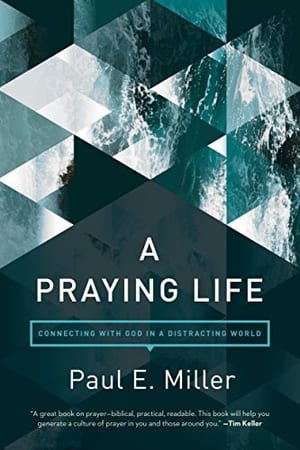
A Praying Life
Paul E. Miller
View on Amazon →
Women of the Word
Jen Wilkin
View on Amazon →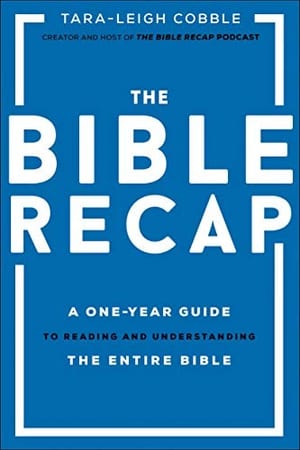
The Bible Recap
Tara-Leigh Cobble
View on Amazon →As an Amazon Associate we earn from qualifying purchases.