How to Pronounce
Onesimuso-NEH-sih-muhs or own-ESS-ee-mus
Hear the pronunciation of Onesimus
Click to play audio
New Testament Reading
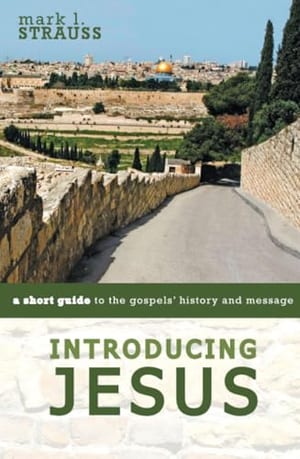
Introducing Jesus
Mark L. Strauss
View on Amazon →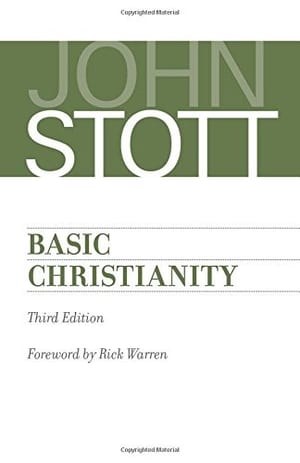
Basic Christianity
John Stott
View on Amazon →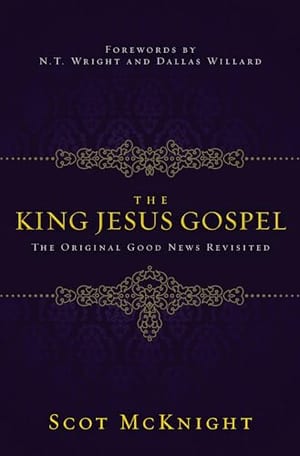
The King Jesus Gospel
Scot McKnight
View on Amazon →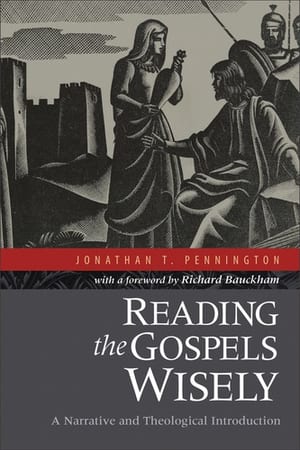
Reading the Gospels Wisely
Jonathan T. Pennington
View on Amazon →
The Jesus I Never Knew
Philip Yancey
View on Amazon →As an Amazon Associate we earn from qualifying purchases.
Pronunciation Video
Watch on YouTube →Meaning
profitable; useful
Historical Context
Onesimus: A Name That Reveals God's Transforming Power
The name Onesimus carries remarkable significance in New Testament history, yet many Bible readers stumble over how to pronounce Onesimus correctly. The proper pronunciation is o-NEH-sih-muhs or alternatively own-ESS-ee-mus, with emphasis on either the second or first syllable depending on which transliteration tradition you follow.
Etymology and Meaning
Onesimus comes from the Greek word onesimon, derived from onesis, meaning "profit" or "benefit." The name literally translates to "profitable" or "useful"—a definition loaded with irony when you first encounter this biblical figure. Understanding the meaning of Onesimus becomes essential to grasping the spiritual transformation at the heart of Paul's letter to Philemon.
The Biblical Story
Onesimus appears primarily in the book of Philemon, a brief but powerful New Testament epistle. He was a slave who belonged to Philemon, a wealthy Christian living in Colossae. At some point, Onesimus ran away from his master—a serious crime in the Roman Empire that could result in severe punishment or even death.
During his escape, Onesimus encountered the Apostle Paul, likely in Rome, and became a Christian. Paul then wrote to Philemon on Onesimus's behalf, pleading for forgiveness and reconciliation. The letter doesn't demand that Philemon free Onesimus, but it powerfully appeals to Christian love and brotherhood, suggesting that Onesimus should be received "no longer as a slave, but better than a slave, as a dear brother" (Philemon 16).
Why This Name Matters
Pronouncing Onesimus correctly and understanding his story matters because it illustrates the radical nature of the Gospel. A runaway slave whose name means "useless" or "unprofitable" becomes genuinely profitable to both Paul and his master through faith in Christ. The epistle to Philemon remains Christianity's most direct biblical commentary on slavery and human dignity, making Onesimus a pivotal figure in discussions about biblical ethics and social transformation.
How to Read, Study & Pray

How to Read the Bible for All Its Worth
Gordon Fee & Douglas Stuart
View on Amazon →
Grasping God's Word
J. Scott Duvall & J. Daniel Hays
View on Amazon →
A Praying Life
Paul E. Miller
View on Amazon →
Women of the Word
Jen Wilkin
View on Amazon →
The Bible Recap
Tara-Leigh Cobble
View on Amazon →As an Amazon Associate we earn from qualifying purchases.