How to Pronounce
BaalBAY-uhl
Hear the pronunciation of Baal
Click to play audio
Old Testament Reading
The Unfolding Mystery
Edmund P. Clowney
View on Amazon →
According to Plan
Graeme Goldsworthy
View on Amazon →
Introducing the Old Testament
Tremper Longman III
View on Amazon →
God's Big Picture
Vaughan Roberts
View on Amazon →
The Drama of Scripture
Bartholomew & Goheen
View on Amazon →As an Amazon Associate we earn from qualifying purchases.
Pronunciation Video
Watch on YouTube →Meaning
master; lord
Historical Context
Baal: Master and Lord in Ancient Scripture
The name Baal appears frequently throughout the Old Testament, yet many Bible readers struggle with how to pronounce Baal correctly in context. The phonetic pronunciation is BAY-uhl, with emphasis on the first syllable and a short vowel sound in the second.
Etymology and Original Meaning
Baal comes from the Hebrew word ba'al, which literally means "master" or "lord." In ancient Semitic languages, it functioned as a common noun referring to an owner or possessor of something. However, in biblical texts, Baal became the proper name of a Canaanite deity, fundamentally shifting its religious significance for Israel.
Baal in Scripture and Religious Context
Understanding Baal pronunciation matters because this deity represents one of Israel's most persistent spiritual temptations. The Canaanites worshipped Baal as a storm god and fertility deity, and throughout the period of the judges and monarchy, Israelites repeatedly turned to Baal worship despite God's clear prohibitions.
The prophet Elijah's famous confrontation with Baal's prophets on Mount Carmel (1 Kings 18) stands as Scripture's most dramatic rejection of this false god. Elijah challenged 450 prophets of Baal to a contest, where God answered with fire from heaven, decisively demonstrating His supremacy. The book of Hosea also extensively addresses Israel's unfaithfulness in pursuing Baal, with the prophet using marriage imagery to convey God's heartbreak over His people's spiritual adultery.
Why This Matters for Bible Readers
Recognizing Baal's significance helps readers grasp the spiritual warfare underlying Old Testament history. When you encounter references to Baal worship throughout books like Judges, Samuel, and Kings, you're reading about Israel's struggle between monotheistic faith and cultural compromise. Pronouncing Baal correctly also aids in Bible study discussions and teaching contexts, ensuring clear communication about these pivotal spiritual battles.
The name itself—meaning "master" or "lord"—carries ironic weight: Israel's God alone deserves the title of true Master, making every reference to Baal worship a theological rebellion against their covenant relationship with Yahweh.
How to Read, Study & Pray

How to Read the Bible for All Its Worth
Gordon Fee & Douglas Stuart
View on Amazon →
Grasping God's Word
J. Scott Duvall & J. Daniel Hays
View on Amazon →
A Praying Life
Paul E. Miller
View on Amazon →
Women of the Word
Jen Wilkin
View on Amazon →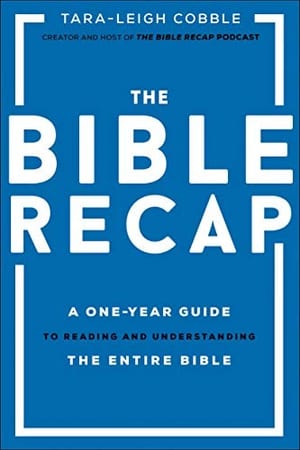
The Bible Recap
Tara-Leigh Cobble
View on Amazon →As an Amazon Associate we earn from qualifying purchases.