How to Pronounce
Mesopotamiamehs-o-po-TAY-mih-uh
Hear the pronunciation of Mesopotamia
Click to play audio
Old Testament Reading
The Unfolding Mystery
Edmund P. Clowney
View on Amazon →
According to Plan
Graeme Goldsworthy
View on Amazon →
Introducing the Old Testament
Tremper Longman III
View on Amazon →
God's Big Picture
Vaughan Roberts
View on Amazon →
The Drama of Scripture
Bartholomew & Goheen
View on Amazon →As an Amazon Associate we earn from qualifying purchases.
Pronunciation Video
Watch on YouTube →Meaning
between two rivers
Historical Context
Mesopotamia: The Land Between Two Rivers
The word Mesopotamia comes directly from Greek, combining mesos (middle) and potamos (river). This geographical term describes the region nestled between the Tigris and Euphrates rivers in what is now modern-day Iraq, Syria, and Turkey. Understanding how to pronounce Mesopotamia correctly—mehs-o-po-TAY-mih-uh—helps Bible readers engage more confidently with biblical narratives set in this ancient world.
Biblical Significance and Scripture References
Mesopotamia appears throughout Scripture as a crucial historical and spiritual backdrop. Abraham's journey begins here, as Genesis 11:31 places his family in Ur of the Chaldees before God calls him westward. When pronouncing Mesopotamia in this context, you're referencing the very cradle of Abraham's faith story.
The region also features prominently in Acts 2:9, where Luke lists "Mesopotamia" among the nations represented at Pentecost. Additionally, Stephen's speech in Acts 7:2 mentions God's call to Abraham "when he was in Mesopotamia, before he lived in Haran." These references underscore how integral this land was to the patriarchal narratives.
Why This Matters for Bible Study
Mesopotamia pronunciation becomes important when you recognize that this wasn't just empty geography—it was a powerhouse of ancient civilization. The Sumerians, Babylonians, and Assyrians all flourished here, shaping the world in which biblical figures lived and moved. Understanding Mesopotamia's role helps readers grasp the political pressures, cultural influences, and spiritual tensions that shaped biblical history.
For pastors and teachers, pronouncing Mesopotamia correctly when teaching these passages models biblical literacy and helps audiences follow the geographical narrative. When students hear you say mehs-o-po-TAY-mih-uh with confidence, they're more likely to retain the material and engage deeply with the text.
The land between two rivers reminds us that God's redemptive story unfolds within real history, real geography, and real human cultures—making Mesopotamia essential knowledge for serious Bible students.
How to Read, Study & Pray
How to Read the Bible for All Its Worth
Gordon Fee & Douglas Stuart
View on Amazon →
Grasping God's Word
J. Scott Duvall & J. Daniel Hays
View on Amazon →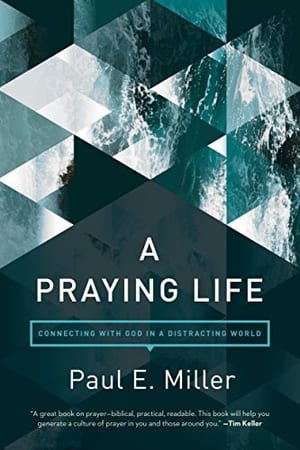
A Praying Life
Paul E. Miller
View on Amazon →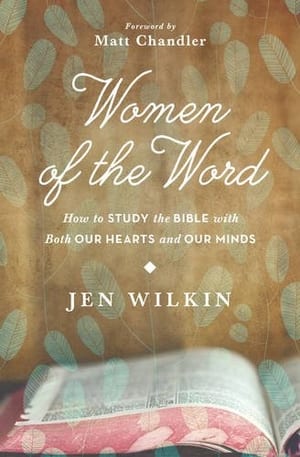
Women of the Word
Jen Wilkin
View on Amazon →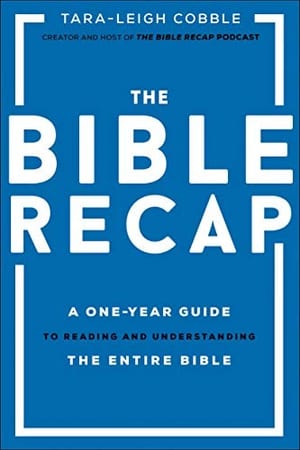
The Bible Recap
Tara-Leigh Cobble
View on Amazon →As an Amazon Associate we earn from qualifying purchases.