How to Pronounce
IshmaelitesISH-mayehl-aits
Hear the pronunciation of Ishmaelites
Click to play audio
Old Testament Reading

The Unfolding Mystery
Edmund P. Clowney
View on Amazon →
According to Plan
Graeme Goldsworthy
View on Amazon →
Introducing the Old Testament
Tremper Longman III
View on Amazon →
God's Big Picture
Vaughan Roberts
View on Amazon →
The Drama of Scripture
Bartholomew & Goheen
View on Amazon →As an Amazon Associate we earn from qualifying purchases.
Pronunciation Video
Watch on YouTube →Historical Context
Ishmaelites: Pronunciation and Biblical Identity
The correct way to pronounce Ishmaelites is ISH-mayehl-aits. This tribal name appears throughout Scripture as a designation for the descendants of Ishmael, Abraham's firstborn son. Understanding how to pronounce Ishmaelites correctly helps Bible readers navigate both Old Testament narratives and historical discussions about ancient Near Eastern peoples.
Etymology and Original Meaning
The name derives from Ishmael, which comes from Hebrew Yishma'el (יִשְׁמָעֵאל), meaning "God hears" or "God will hear." The suffix -ites simply denotes the people or descendants of that ancestor. Pronouncing Ishmaelites correctly requires attention to the three syllables: ISH (rhymes with "wish"), mayehl (sounds like "my-ul"), and aits (like the plural "ates"). This straightforward breakdown helps speakers avoid the common mispronunciation of emphasizing the wrong syllable.
Where Ishmaelites Appear in Scripture
The Ishmaelites are mentioned specifically in Genesis 37:25–28, where they appear as merchants traveling with camels carrying spices, balm, and myrrh. This is the pivotal moment when Joseph's brothers sell him into slavery to Ishmaelite traders. The term also surfaces in Psalm 83:6 and 1 Chronicles 2:17, establishing them as a recognizable ethnic group in ancient Israel's world.
Biblical and Historical Significance
The Ishmaelites represented a nomadic Arabian people descended from Abraham through his Egyptian servant Hagar. For Bible readers, they symbolize both the consequences of human schemes (Abraham and Sarah's plan to produce an heir outside God's promise) and God's faithfulness in blessing Ishmael despite the family conflict. Genesis 21:13 records God's promise to make Ishmael "a great nation," a promise fulfilled through his descendants.
Pronouncing Ishmaelites correctly matters because it demonstrates respect for Scripture's historical narratives and helps Bible students engage more confidently in study groups, sermons, and classroom discussions. Recognizing them as genuine historical peoples—not merely biblical figures—enriches our understanding of the ancient world surrounding Israel's story.
How to Read, Study & Pray

How to Read the Bible for All Its Worth
Gordon Fee & Douglas Stuart
View on Amazon →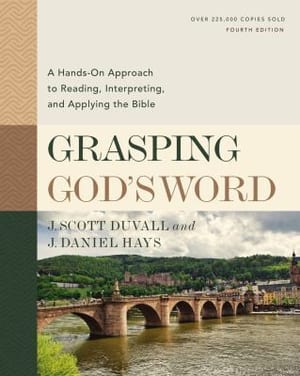
Grasping God's Word
J. Scott Duvall & J. Daniel Hays
View on Amazon →
A Praying Life
Paul E. Miller
View on Amazon →
Women of the Word
Jen Wilkin
View on Amazon →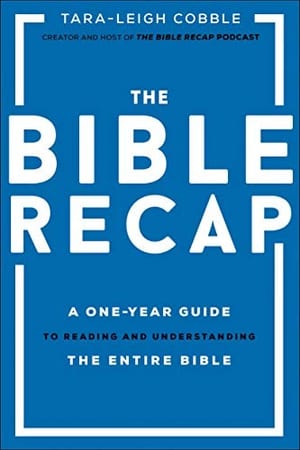
The Bible Recap
Tara-Leigh Cobble
View on Amazon →As an Amazon Associate we earn from qualifying purchases.