
How to Pronounce
IsaacAI-zuhk
Hear the pronunciation of Isaac
Click to play audio
Old Testament Reading
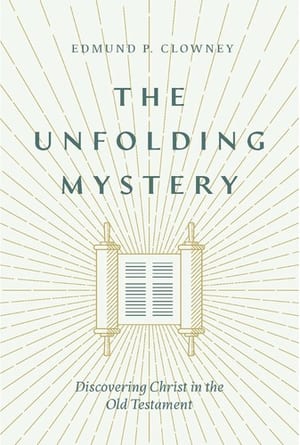
The Unfolding Mystery
Edmund P. Clowney
View on Amazon →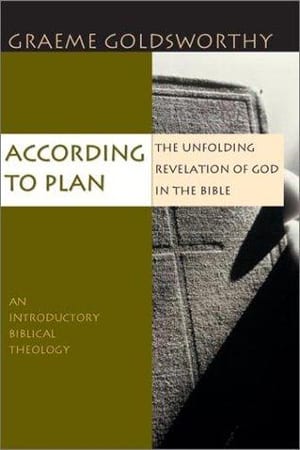
According to Plan
Graeme Goldsworthy
View on Amazon →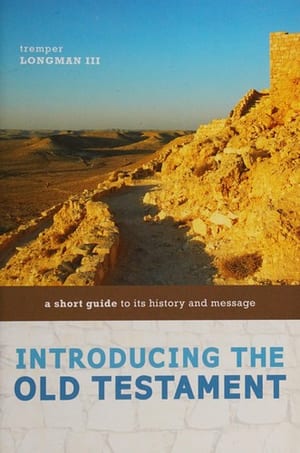
Introducing the Old Testament
Tremper Longman III
View on Amazon →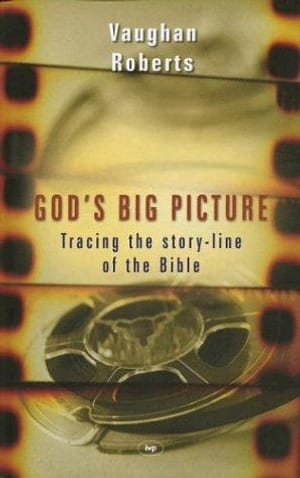
God's Big Picture
Vaughan Roberts
View on Amazon →
The Drama of Scripture
Bartholomew & Goheen
View on Amazon →As an Amazon Associate we earn from qualifying purchases.
Pronunciation Video
Watch on YouTube →Meaning
laughter
Historical Context
Isaac: The Son of Laughter
The name Isaac comes from the Hebrew Yitzchak (יִצְחָק), derived from the root tzachak, meaning "to laugh." Understanding the Isaac pronunciation—AI-zuhk—helps Bible readers connect with one of Scripture's most significant patriarchs, whose very name encodes a divine promise wrapped in human emotion.
The Meaning Behind the Name
When Abraham's wife Sarah learned she would bear a child in her old age, she laughed in disbelief (Genesis 18:12). God responded by naming the promised son Isaac—a name that would forever commemorate that moment of astonished joy. The laughter wasn't mockery; it was the natural response of faith meeting the impossible. Every time someone pronounces Isaac correctly in Scripture, they're essentially saying "he laughs" or "laughter."
Isaac in Scripture
Isaac's story dominates Genesis 21–27, beginning with his miraculous birth when Abraham was 100 years old. His most famous appearance comes in Genesis 22, where God tests Abraham's faith by asking him to sacrifice his only son. This passage has shaped theological understanding across Judaism, Christianity, and Islam for millennia.
Isaac becomes a bridge figure in biblical history. While Abraham received the initial promise, and Jacob would later receive the covenant blessing, Isaac—the biological link between them—represents the fulfillment of God's word made flesh. He marries Rebekah, fathers Jacob and Esau, and passes the covenant promise forward, appearing throughout Genesis and referenced in Matthew 1 as part of Jesus's genealogy.
Why This Matters for Bible Study
Learning how to pronounce Isaac correctly isn't merely about phonetics. The name itself teaches theology: God's promises often arrive through laughter, through the impossible made possible. When pastors and teachers discuss pronouncing Isaac correctly during sermons or lessons, they have an opportunity to highlight this etymological richness. The patriarch's name reminds us that faith and joy intertwine in God's redemptive plan.
How to Read, Study & Pray

How to Read the Bible for All Its Worth
Gordon Fee & Douglas Stuart
View on Amazon →
Grasping God's Word
J. Scott Duvall & J. Daniel Hays
View on Amazon →
A Praying Life
Paul E. Miller
View on Amazon →
Women of the Word
Jen Wilkin
View on Amazon →
The Bible Recap
Tara-Leigh Cobble
View on Amazon →As an Amazon Associate we earn from qualifying purchases.
