How to Pronounce
IshmaelISH-may-ehl
Hear the pronunciation of Ishmael
Click to play audio
Old Testament Reading
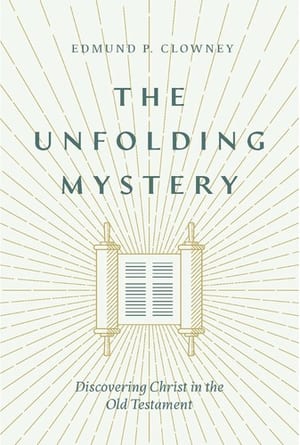
The Unfolding Mystery
Edmund P. Clowney
View on Amazon →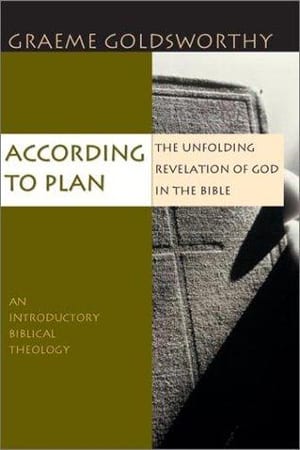
According to Plan
Graeme Goldsworthy
View on Amazon →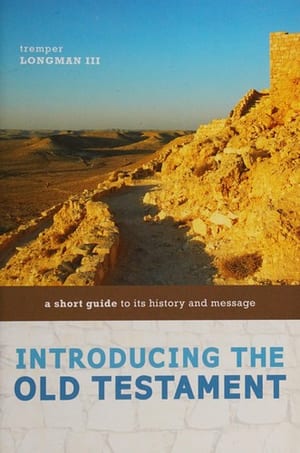
Introducing the Old Testament
Tremper Longman III
View on Amazon →
God's Big Picture
Vaughan Roberts
View on Amazon →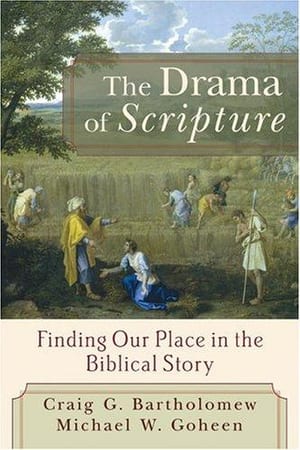
The Drama of Scripture
Bartholomew & Goheen
View on Amazon →As an Amazon Associate we earn from qualifying purchases.
Pronunciation Video
Watch on YouTube →Meaning
God that hears
Historical Context
Ishmael: God That Hears
The name Ishmael carries profound theological weight rooted in ancient Hebrew. Composed of two elements—Ish (God) and shama (to hear)—Ishmael literally means "God that hears" or "God hears." This etymological foundation reveals something central to the biblical narrative: even in circumstances of pain and rejection, God's attentiveness remains constant.
How to Pronounce Ishmael Correctly
For those learning how to pronounce Ishmael, the phonetic breakdown is straightforward: ISH-may-ehl. The emphasis falls on the first syllable, with a long "a" sound in the second syllable. Pronouncing Ishmael correctly helps Bible readers and teachers communicate clearly when discussing this significant Old Testament figure.
The Story Behind the Name
Ishmael first appears in Genesis 16, born to Abraham and Hagar, Sarah's Egyptian servant. The naming itself is significant—God instructed Hagar to name the child Ishmael because "the Lord has heard your misery" (Genesis 16:11). Hagar, cast out into the wilderness pregnant and alone, experienced divine recognition in her suffering. The name itself became a testament to her encounter with God's compassionate attention.
Though Ishmael was not the child of the covenant promise (that role belonged to Isaac), Scripture doesn't diminish his importance. God blessed Ishmael abundantly, promising he would father twelve princes and become a great nation (Genesis 17:20). Ishmael appears again in Genesis 21, when Abraham sent him away with his mother, and God sustained them both in the desert.
Why Ishmael Matters for Bible Readers
Understanding Ishmael's story challenges simplistic readings of Scripture. He represents those whose circumstances seem peripheral to God's "main plan," yet receive direct divine care. His Ishmael pronunciation may seem minor, but his narrative raises essential questions about inclusion, blessing, and God's justice.
For pastors and Bible students, Ishmael reminds us that God hears the cries of the marginalized and forgotten—a theme that echoes throughout Scripture and speaks powerfully to contemporary audiences seeking reassurance of divine attentiveness to their own struggles.
How to Read, Study & Pray
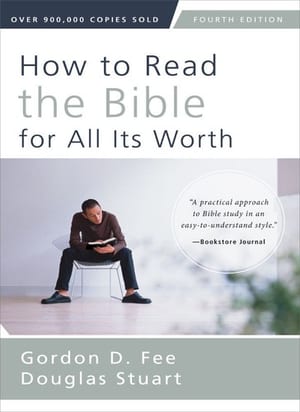
How to Read the Bible for All Its Worth
Gordon Fee & Douglas Stuart
View on Amazon →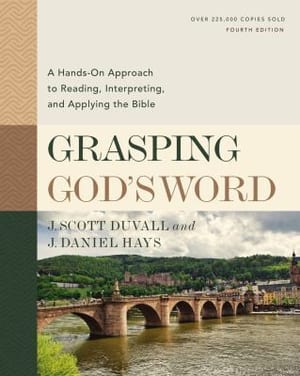
Grasping God's Word
J. Scott Duvall & J. Daniel Hays
View on Amazon →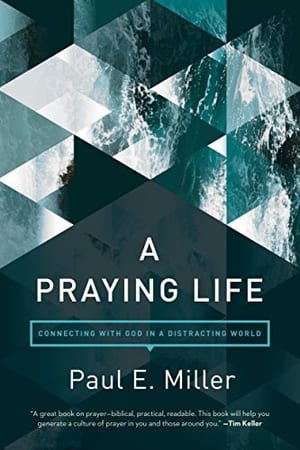
A Praying Life
Paul E. Miller
View on Amazon →
Women of the Word
Jen Wilkin
View on Amazon →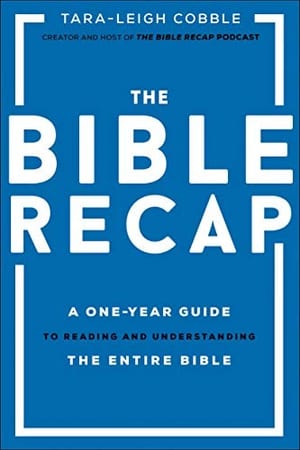
The Bible Recap
Tara-Leigh Cobble
View on Amazon →As an Amazon Associate we earn from qualifying purchases.