How to Pronounce
Isaiahai-ZAY-uh
Hear the pronunciation of Isaiah
Click to play audio
Commentaries on This Book
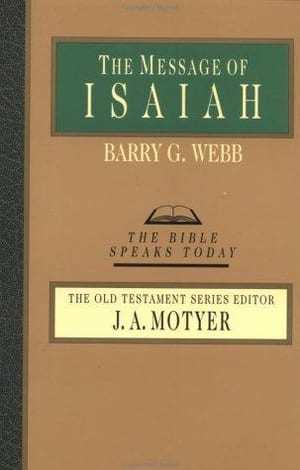
The Message of Isaiah
Barry G. Webb
View on Amazon →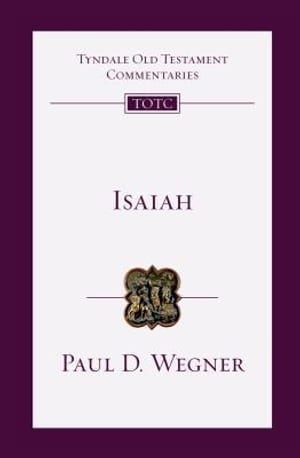
Isaiah (Tyndale Old Testament Commentaries)
Paul D. Wegner
View on Amazon →As an Amazon Associate we earn from qualifying purchases.
Pronunciation Video
Watch on YouTube →Meaning
the salvation of the Lord
Historical Context
Isaiah: Pronunciation and Meaning
The name Isaiah comes from the Hebrew Yeshayahu, composed of two elements: yesha (salvation) and yah (the Lord). Together, the name literally means "the salvation of the Lord" — a fitting title for one of Scripture's most profound prophetic voices.
How to Pronounce Isaiah Correctly
When pronouncing Isaiah, use this phonetic guide: ai-ZAY-uh. The first syllable rhymes with "eye," the second syllable receives the stress and rhymes with "say," and the final syllable is a soft "uh" sound. Many people default to a four-syllable pronunciation, but the standard biblical pronunciation uses three distinct syllables.
Isaiah in Scripture
Isaiah is the name of one of the four major prophets of the Old Testament, whose ministry spanned the late 8th century BCE. The entire book bearing his name — the book of Isaiah — contains 66 chapters and represents one of the most theologically rich books in the Bible. Isaiah's prophetic career is introduced in Isaiah 1:1, where we learn he prophesied during the reigns of Uzziah, Jotham, Ahaz, and Hezekiah, kings of Judah.
Why Isaiah Matters for Bible Readers
Understanding the meaning behind Isaiah's name enriches your reading of his prophecies. A prophet named "the salvation of the Lord" delivered messages centered on God's redemptive plan — including some of Scripture's most celebrated messianic passages. Isaiah 53, for instance, contains the Suffering Servant prophecy, widely understood by Christians as prefiguring Christ's passion. Isaiah 7:14 prophesies the virgin birth, and Isaiah 9:6–7 announces the coming Prince of Peace.
For pastors and Bible teachers, pronouncing Isaiah correctly matters during public reading and discussion. The Isaiah pronunciation ai-ZAY-uh reflects the standard used across most English Bible translations and academic settings, ensuring clarity when referencing this foundational prophetic book with your congregation or students.
How to Read, Study & Pray
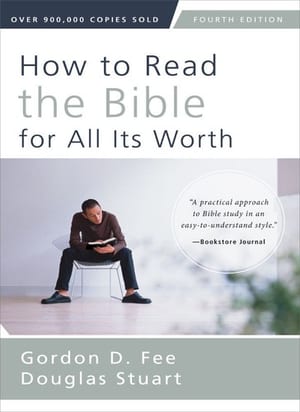
How to Read the Bible for All Its Worth
Gordon Fee & Douglas Stuart
View on Amazon →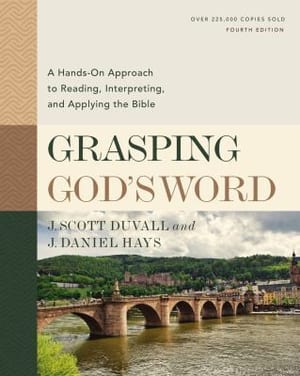
Grasping God's Word
J. Scott Duvall & J. Daniel Hays
View on Amazon →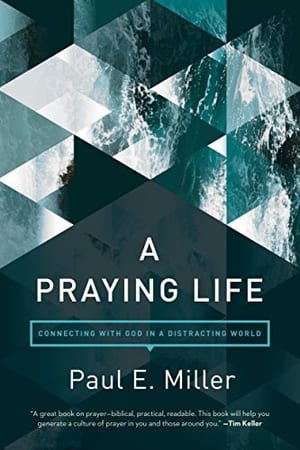
A Praying Life
Paul E. Miller
View on Amazon →
Women of the Word
Jen Wilkin
View on Amazon →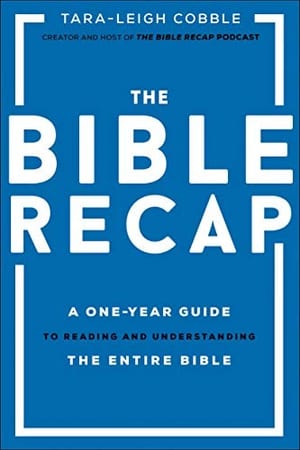
The Bible Recap
Tara-Leigh Cobble
View on Amazon →As an Amazon Associate we earn from qualifying purchases.