How to Pronounce
Ethiopianee-thee-O-pee-uhn
Hear the pronunciation of Ethiopian
Click to play audio
Recommended Reading
How to Read the Bible for All Its Worth
Gordon Fee & Douglas Stuart
View on Amazon →
Grasping God's Word
J. Scott Duvall & J. Daniel Hays
View on Amazon →
A Praying Life
Paul E. Miller
View on Amazon →
Women of the Word
Jen Wilkin
View on Amazon →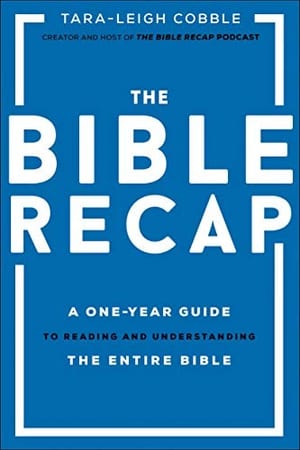
The Bible Recap
Tara-Leigh Cobble
View on Amazon →As an Amazon Associate we earn from qualifying purchases.
Pronunciation Video
Watch on YouTube →Historical Context
Ethiopian: Pronunciation and Biblical Significance
When you're reading Acts or studying Old Testament geography, knowing how to pronounce Ethiopian correctly helps you engage more deeply with Scripture. The word is pronounced ee-thee-O-pee-uhn, with the stress falling on the third syllable.
Etymology and Original Language
The term derives from Greek Aithiops (Αἰθίοψ), which combines two elements: aitho (to burn) and ops (face or appearance). The name literally means "burnt-faced," a reference to the dark-skinned peoples living south of Egypt. This geographical descriptor became the standard term for inhabitants of the ancient kingdom of Kush, located in what is now Sudan and northern Ethiopia.
Where Ethiopian Appears in Scripture
The most significant biblical reference appears in Acts 8:26–40, where Philip encounters an Ethiopian eunuch on the road to Gaza. This man was a high official in the court of Candace, the queen of the Ethiopians, and was traveling to Jerusalem for worship. His conversion represents one of the earliest expansions of the Gospel beyond Jewish boundaries.
Additional references include Jeremiah 13:23, which uses Ethiopian as a metaphor for unchangeable characteristics, and mentions in 2 Chronicles and Isaiah referencing Ethiopian military forces and rulers.
Why This Matters for Bible Readers
Pronouncing Ethiopian correctly isn't merely about linguistic accuracy—it reflects respect for the historical peoples represented in Scripture. The Ethiopian eunuch's account demonstrates the early Church's inclusive mission and validates African participation in Christianity's founding narrative. Understanding the pronunciation also helps when studying ancient Near Eastern geography, trade routes, and cultural dynamics that shaped biblical history.
For pastors and teachers, confidently pronouncing Ethiopian helps your congregation better absorb the dramatic conversion story in Acts. When you say the word with proper emphasis and clarity, you're honoring both the language and the people whose history intersects with God's redemptive story.
How to Read, Study & Pray
How to Read the Bible for All Its Worth
Gordon Fee & Douglas Stuart
View on Amazon →Grasping God's Word
J. Scott Duvall & J. Daniel Hays
View on Amazon →A Praying Life
Paul E. Miller
View on Amazon →Women of the Word
Jen Wilkin
View on Amazon →The Bible Recap
Tara-Leigh Cobble
View on Amazon →As an Amazon Associate we earn from qualifying purchases.